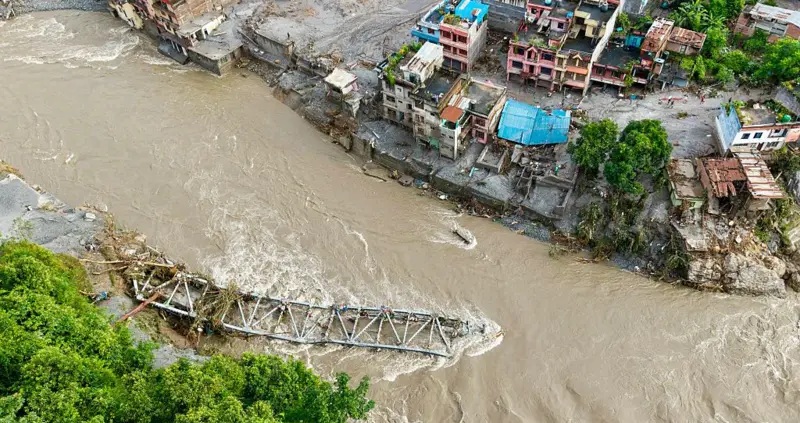





Kathmandu. The index-based flood insurance initiative launched to mitigate the risk of climate change and economic security of farmers has taken a new height.
Currently, this insurance program is implemented in the communities of Lower Karnali, Khutiya, Babai, and Pathariya regions of four major river systems of Nepal.



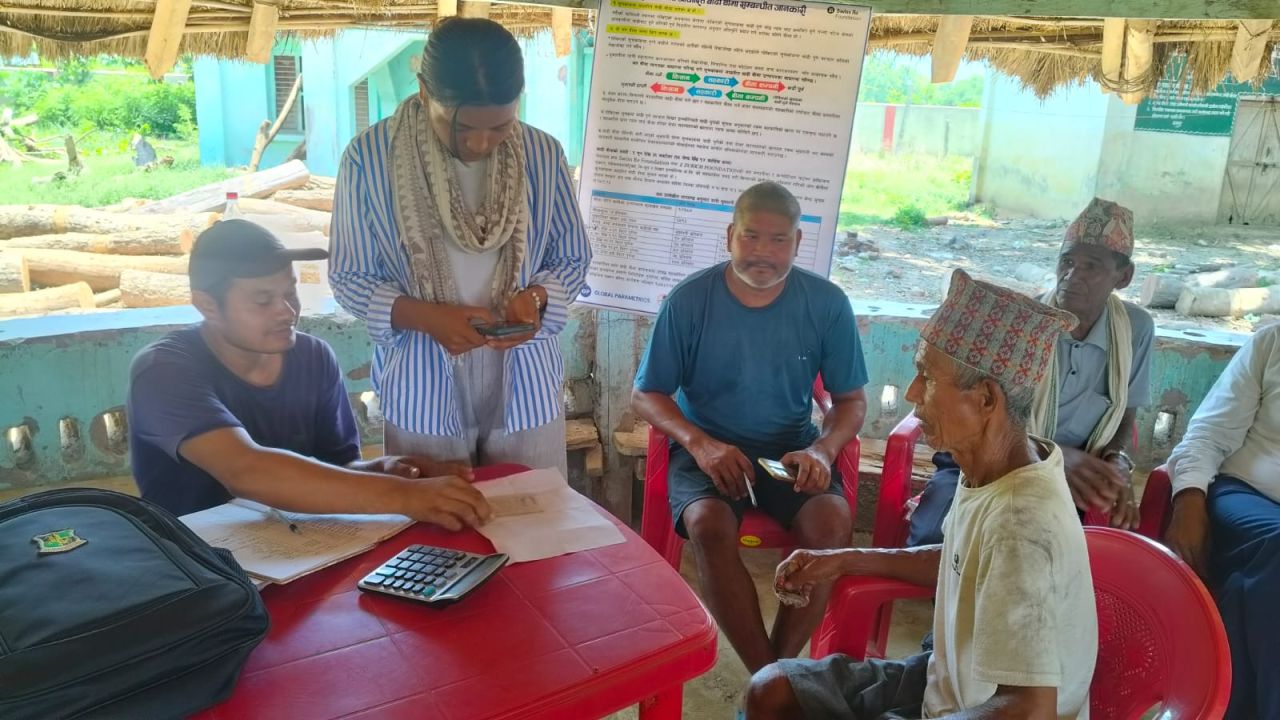
Mr. Bikram Rana, Engineer and Coordinator of Climate Resilience Program, shared the latest progress and milestones of this innovative insurance scheme through LinkedIn. According to him, the work of enrolling farmers under this insurance policy at Babai Cooperative located in Gularia-5, Balapur has been done enthusiastically.
This insurance scheme is believed to provide strong financial security and immunity to genuine farmers who are facing huge losses every year due to climate risks and floods.
The test project was started in 2022 as Nepal’s first insurance policy after getting approval from Nepal Insurance Authority. The insurance campaign has partnered with Practical Action, Shikhar Insurance Company, Global Parametric, Stone Steps and local cooperatives and NGOs. In addition, there was significant support from the Zurich Climate Resilience Alliance and the Insurrection Solutions Fund.
In 2023, with the assistance of USAID, flood insurance was approved for the Khutia River area and the farmers were successfully engaged. Similarly, in 2024, with the support of the Zurich Climate Resilience Alliance and the Swiss Refoundation, Practical Action Nepal initiated an evaluation to further refine and expand this framework. And now a big milestone has been achieved under the Parametric Insurance Directive 2082 issued by the Insurance Authority in 2026. Shikhar Insurance Company has also received approval for index-based flood insurance policy for Pathiya and Babai River areas on behalf of the project.
The Insurance Authority’s ‘Index-Based Insurance Directive, 2082’ came into effect from February 14 across the country. Under this directive, the assessment of crop and livestock damage under the automated system is done on the basis of automated satellite and meteorological data, rather than the traditional manual work. The use of technology can help reduce human error and prevent the misuse of false claims or donations. The government has also ensured that farmers affected by floods and droughts get relief and insurance compensation payments directly into their bank accounts within a short period of time (usually within 72 hours).