




Kathmandu. The energy crisis between Iran and the United States÷Israel has affected the whole world. The blockade in the Strait of Hormuz has led to an increase in the price of crude oil. This highlights the world’s heavy reliance on the 5 Strait system for energy flow.
Like the Strait of Hormuz, Bab el-Mandab, Malacca, Suez and the Strait of Türkiye handle significant amounts of oil. On an average, 60 million barrels of crude oil pass through these sea routes every day. Even a small disruption can lead to an increase in price.



Strait of Hormuz
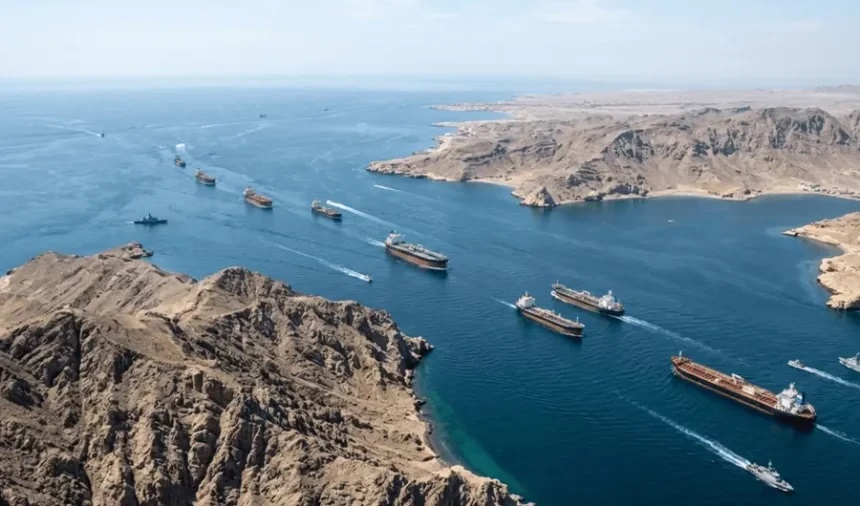
Hormuz is the most in the news due to the Iran war. It is the most important sea route connecting the Persian Gulf with the Gulf of Oman. About 20 to 21 million barrels of crude oil and petroleum products pass through it daily. It accounts for about 20 to 25 percent of the marine oil trade. That is why it is considered to be the biggest oil crisis in history.
Turkish Strait
This sea route connects the Mediterranean Sea with the Black Sea. It handles 30 million barrels of oil per day. Any disruption would lead to a rise in prices in European countries. Turkey controls it under a 1936 treaty. It is important for countries such as Russia, Ukraine, Bulgaria and Romania.
Suez Canal
It connects the Mediterranean Sea to the Red Sea. The Suez Canal carries about 10 percent of the world’s marine oil. The Houthis also obstruct the movement of ships through this sea route, which creates a crisis. The 193-kilometre-long canal is an important trade route between Europe and Asia. It was closed between 1967 and 1975 due to the Arab-Israeli war.
Malacca Strait
It is the busiest route in the world. It accounts for 22 to 29 percent of the world’s crude oil flows. It imports 2.32 million barrels of crude oil per day. It accounts for 82 per cent of all reported robberies in Asia. It is the shortest sea route between the Indian Ocean and the Pacific Ocean.
Bab al-Mandab Strait
This sea route connects the Red Sea with the Arabian Sea. About 10 percent of the world’s crude oil is transported through these chokepoints. The Iranian-backed Houthis have repeatedly disrupted shipments. This route is important for the movement of oil as well as LNG, fertilizers, agricultural commodities and manufactured goods. –Agency