



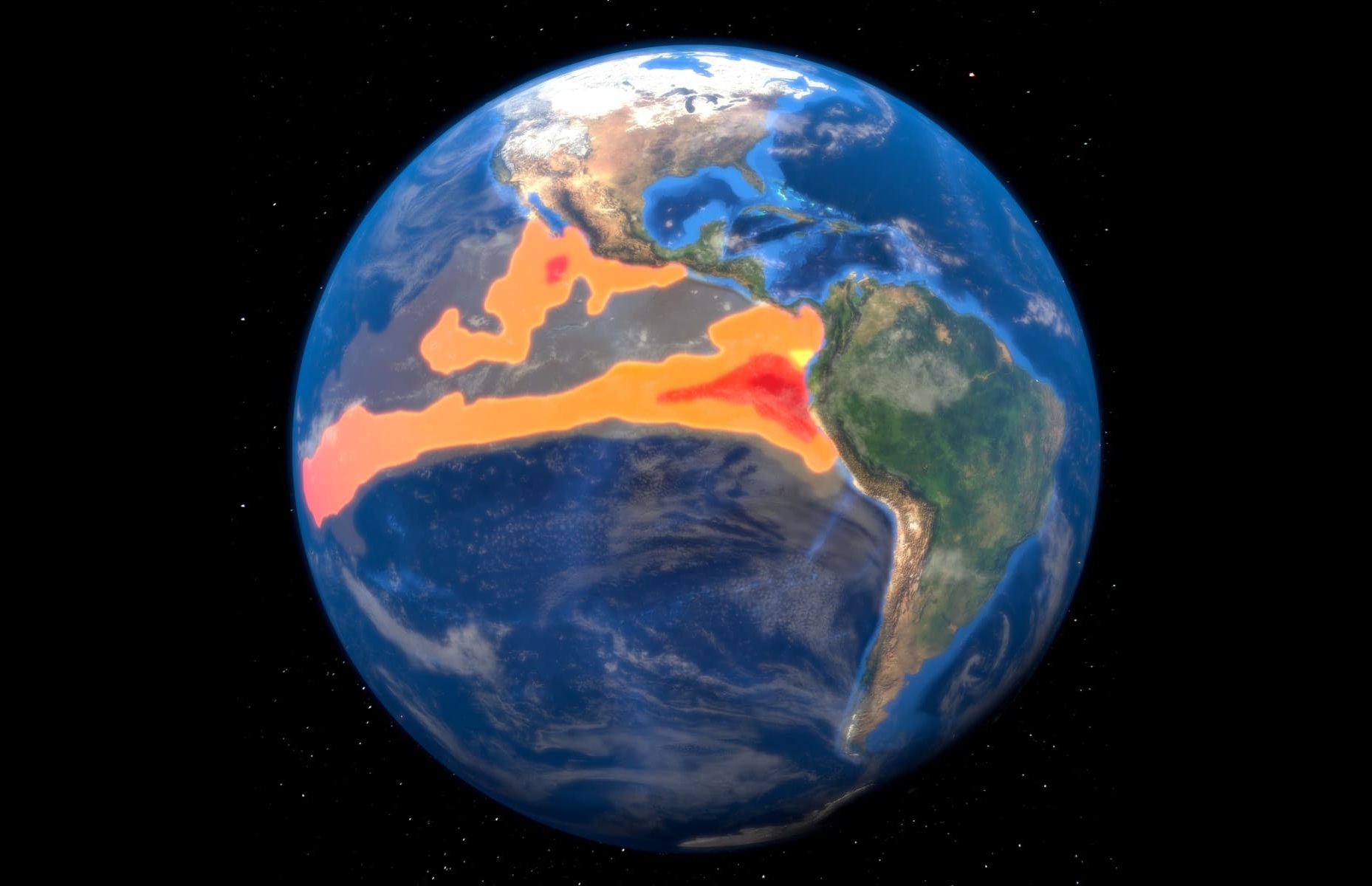

Kathmandu. In this era of climate change and rising temperatures, the world stands on the brink of natural disasters. New scientific analysis and satellite data from the US weather agency NOAA, the Japan Meteorological Agency and the European Union’s Copernicus Climate Change Service have confirmed the onset of the El Niño period in the Pacific Ocean. This is not just a simple seasonal change, but meteorologists have predicted 2026. Expected on May 27, this El Niño is predicted to become a Super L-Niño, breaking all historical records.
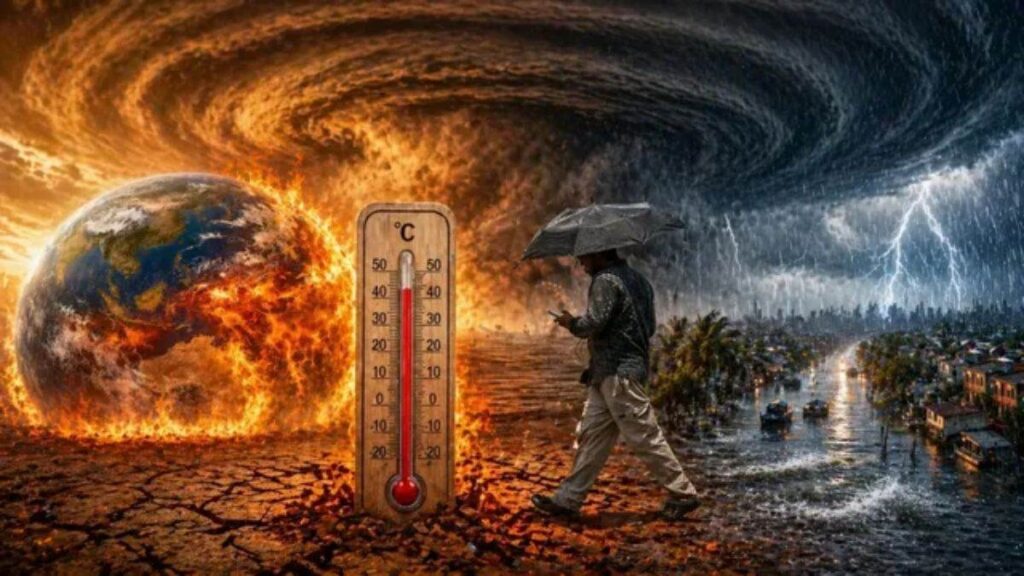
What is most worrying is that this El Niño will not be just another normal weather cycle. It is likely to become the most destructive super El Niño in history. This historic El Niño is predicted to cause severe droughts, torrential flooding, deadly heat waves and devastating storms in many parts of the world in 2026 and 2027. That could lead to a wave of famine and human tragedy in already struggling poor countries.



Meteorologically, the surface temperature of the tropical Pacific Ocean fluctuates between two contrasting conditions every few years. When a large area of sea surface is much warmer than normal. It’s called El Niño. When the region is unusually cold, it’s called a La Niña. Both of these conditions drive and influence global weather systems.
According to a new special report from the JRC, this 2026 El Niño event could become so intense due to climate change and rising global temperatures that it would shatter all previous historical records. The scenarios that emerge from computer models and simulations are so extreme that scientists have no historical precedent for analyzing them. This El Niño will start showing its strength mainly in September 2026 and will peak between December 2026 and February 2027. The effect will last until mid-2027.
{{TAG_OPEN_strong_71}Effects on global weather: some droughts, some floods{
The effects of El Niño will be felt in different ways on different continents around the world. The JRC report broadly categorizes its potential geographic impacts into two main categories:
1. Areas at risk of severe drought and heat wave
}
From September 2026, many major countries around the world will be hit by drought as extreme heat in the tropics and subtropics begins to intensify.
Australia and Southeast Asia: These regions will experience severe rainfall deficits. This will lead to forest fires and severe water crisis.
Indian subcontinent: The direct and most destructive impact of El Niño will be on India’s monsoon and agriculture. This time, the risk of drought in India will increase significantly. This will adversely affect the country’s reservoirs and crops.
Precipitation can also lead to famine-like conditions: the Sahel region of Africa and Central America.
2. Areas experiencing excessive rainfall and flooding
}
In contrast, El Niño will bring much heavier and torrential rain than normal to parts of the world.
{{TAG_OPEN_span_62} East Africa: Countries such as Kenya and Somalia will face an increased risk of flooding.
North and South America: Heavy rains will occur over parts of Brazil and large areas of the Americas. However, scientists say that excessive rainfall does not benefit agriculture. If the soil is already degraded or excessively wet, heavy rains can lead to soil degradation, nutrient loss, and crop rot.
This El Niño is bringing a unique change to Europe. Autumn months in Europe are usually cooler during El Niño. But this year’s El Niño is so powerful that it will reverse the pattern. By the spring of 2027, Europe will experience unusually warm weather.
Humanitarian Crisis and Information Warning: Where will the most destruction occur?
One of the most painful aspects of this El Niño-induced climate change is its “human toll.” That is, its impact on human life. The JRC has used a new and advanced scientific tool, Inform Warning, to accurately assess this risk.
The tool combines weather forecasts with data on the country’s ongoing conflicts, food insecurity, poverty and economic conditions to create a risk score.
According to the Information Warning, this could lead to a major humanitarian crisis in many countries of Central and East Africa in the next 6 months. Countries such as Sudan, Somalia, South Sudan and Chad are currently at the world’s highest alert levels. These countries are already grappling with civil wars, ethnic violence, the displacement of millions of refugees, and extreme famine.
Now, El Niño droughts and floods will destroy their remaining resources. In addition, the El Niño drought in three Latin American countries — Ecuador, Venezuela and Haiti — will add insult to injury to an already ongoing economic and political crisis. It will potentially disrupt law and order and human life.
Attacks on global food security: Expect a massive increase in food prices
El Niño is likely to disrupt agricultural cycles around the world. Sub-Saharan Africa, India, China, Australia and Brazil are facing severe stress.
Crop productivity is projected to decline significantly in agricultural centers around the world. Millions of people will be held hostage on their own land.
Another worrisome aspect of the report is the “invisible displacement caused by drought”. When a flood or cyclone strikes, people quickly flee their homes. This is recorded in the data. However, the drought crisis is still more gradual. Shortages of water and food force people to leave their homes.
Due to a lack of data, this displacement is often hidden from the world’s attention. The greatest risk falls on those who are extremely poor and unable to move despite the crisis. Millions of people already displaced and living as refugees in East Africa, Central Africa, the Central American Corridor and Southeast Asia (which may include parts of India) are facing a dangerous cycle of re-displacement.
Science & Technology Help: Initial Preparation with ‘OceanEye’ {
}
As El Niño is one of the world’s most predictable climate events, it also provides a valuable opportunity for governments and international humanitarian organizations to prepare. Millions of lives could be saved if funds are released in time based on early warnings and food and medicines are stockpiled.
The European Union’s new initiative, OceanEye, plays a key role in this analysis. OceanEye’s primary objective is to strengthen marine monitoring systems around the world. Its global network also detects small changes in ocean temperature and currents that trigger El Niño.
This data has enabled organizations such as the Global Drought Observatory and the Global Flood Awareness System to alert the world months in advance. It is now entirely up to governments around the world to take scientific warnings seriously and take steps to protect their citizens from this impending disaster. –Agency