




Kathmandu. With environmental, labour, technology and geopolitical pressures reshaping the sector, Asia’s marine insurers need to strengthen risk advisory, pricing and underwriting strategies.
The report, ‘Brave New Worlds: The QBE Marine Insurance Risk Outlook for Asia 2026’, outlines the key risks impacting shipping, ports, logistics providers and marine insurance companies across the region. It is based on 6 months of research and input from underwriters and risk engineers, supported by external data.



Environmental pressures have been identified as a growing concern. The data shows that the frequency of extreme weather events has increased. This is the highest recorded in the last 5 years of any time since 1900.
Rising ocean temperatures are also affecting ships’ performance by putting pressure on cooling systems and increasing the risk of machinery failure. Extended operators on routes such as the Northern Sea Route are also facing unfamiliar conditions and limited emergency response infrastructure. The report also cited ongoing labour shortages as a major operational risk.
According to the report, more than half of the seafarers will change their jobs in the next three years. “While global fleets could face a shortage of approximately 90,000 officers by 2026, fatigue associated with understaffing and long working hours continue to contribute to the incidents,” the report said. About 25% of marine accidents are caused by fatigue. ’
Technical risks vary from region to region. Large, transcontinental operators are under pressure to switch to other fuels such as hydrogen and ammonia. This introduces new technical risks due to their limited industry experience.
Increasing digitalization makes these operators more vulnerable to cyber threats. In contrast, small and local operators have lower levels of digital adoption and are more vulnerable to targeted cyberattacks.
Geopolitical and economic pressures continue to affect trade flows and insurance costs. U.S. tariffs and sanctions could reduce shipments and suppress carrier revenues, the report said. “While higher cargo costs are driving up cargo insurance premiums, ongoing conflicts in the Middle East and elsewhere are disrupting shipping routes, driving up security costs and freight rates,” the report said. As a result, the operation is delayed. ’
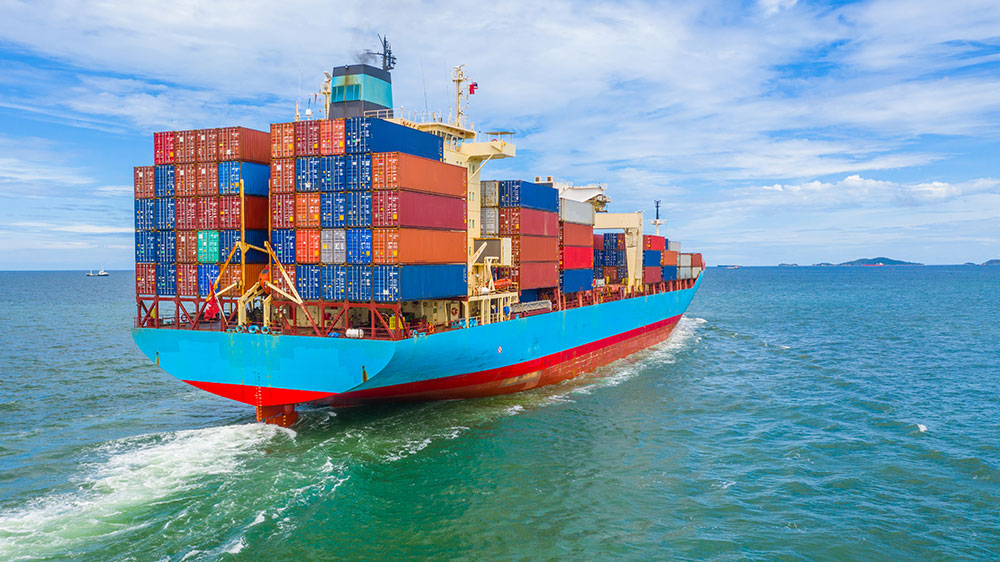
The risks associated with misdeclared cargo are particularly high. The report said that the number of fires on container ships is expected to increase from 26 in 2020 to 40 in 2023.
About a quarter of serious incidents involving container ships involve misdeclared cargo, and approximately 18,000 containers at sea each day may contain misdeclared cargo. –Agency