




Kathmandu. Amid global tensions, another worrying news has emerged. This news also serves as a major warning to the global economy. The International Monetary Fund (IMF) has released a report.
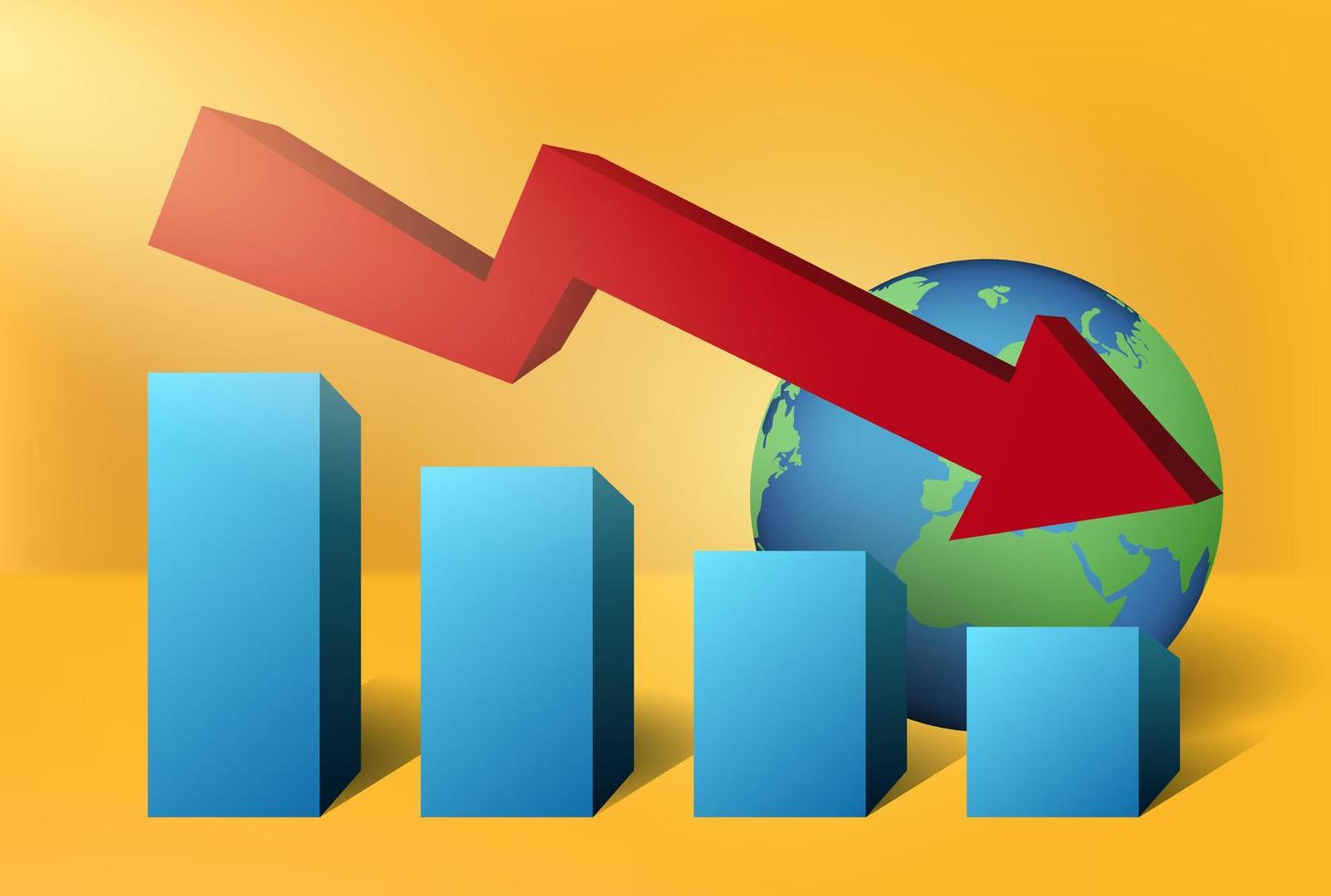
According to the IMF’s ‘Financial Monitor’, the burden of global debt is increasing so much that it could reach 100% of the global gross domestic product (GDP) by 2029. It’s not seen in normal times.



The report said that if the global crisis continues, the global government debt could reach 100% of global GDP by 2029. Alarmingly, this was the last time such a figure was seen since World War II.
Threat of a World War II atmosphere
According to the IMF report, global debt is expected to reach about 94% of GDP in 2025 and is expected to increase in the coming years. It simply means that the world can repay as much debt as it earns in a year.
According to the report, this was the last time the world reached this level of debt since World War II. At the time, the devastation of war and the subsequent high spending on infrastructure pushed countries into debt traps. Nearly 80 years later, the world seems to be at the same juncture again.
In a way, the situation is more serious now than ever. This situation was only due to the war. Today, it is not just war, but also the ever-growing fiscal deficit, high interest rates and geopolitical tensions.
The IMF report cited several major reasons for the debt increase.
A major cause of global tension
The main reason is the increasing war and geopolitical tensions in different parts of the world. The ongoing conflict, especially in the Middle East, has driven up oil and gas prices. This has increased government spending. In many countries, additional subsidies are being provided to ease the burden on people. As a result, governments are forced to borrow.
}
Apart from this, inflation and rising interest rates are also major factors. When interest rates are high, it becomes more expensive for governments to pay off old debt and borrow new ones. This further increases the overall debt burden. In recent years, central banks have raised interest rates to tame inflation. This has made it more expensive for governments to pay off old debt and borrow new ones. The share of interest payments in global GDP has increased from 2% to 3%.
Expenditure in money{
}
The IMF has also said that many countries continue to run fiscal deficits. Which means their income is low and their expenses are high. To bridge this gap, governments are borrowing. As a result, the level of debt has been steadily increasing.
Not only this, developing and poor countries will be the most affected. This situation could be even more challenging for countries that already have weak economies or are dependent on oil imports. The ability of such countries to repay their debt is limited. Which increases the risk of financial crisis.
To address this challenge, the IMF has advised countries to rein in their spending, provide financial assistance only to those in need, and develop concrete plans to reduce debt in the long run. –Agency