





Kathmandu. It’s nighttime. An elderly man in a small American town is working on his laptop. Suddenly, a warning appears on his screen: “Your system has been hacked. Contact Microsoft support immediately, otherwise your bank account is at risk. Scared, he calls the number that has come without thinking.
A voice on the other side of the phone says, “Hello sir, this is Microsoft technical support.” “That’s where the game starts. It has defrauded thousands of people in the US, UK, Canada and Australia over the past few years. Investigations by investigative agencies have repeatedly revealed that the root cause of many such operations is linked to India.



It’s not a simple scam, it’s a well-organized structure. It operates like a professional call center.
Proper training
}
In fact, these fake call centers are set up like normal BPOs. Computers, headsets, shift systems, goals, scripts and training sessions are also all predetermined. Agents are trained to instill fear, gain trust, and mentally pressure victims to extort money.
Agents are taught English in a British or American accent and each agent has an English name. For example, Austin, Kristin, Marcus, and George. Hearing the accent will convince you that they are British or American.
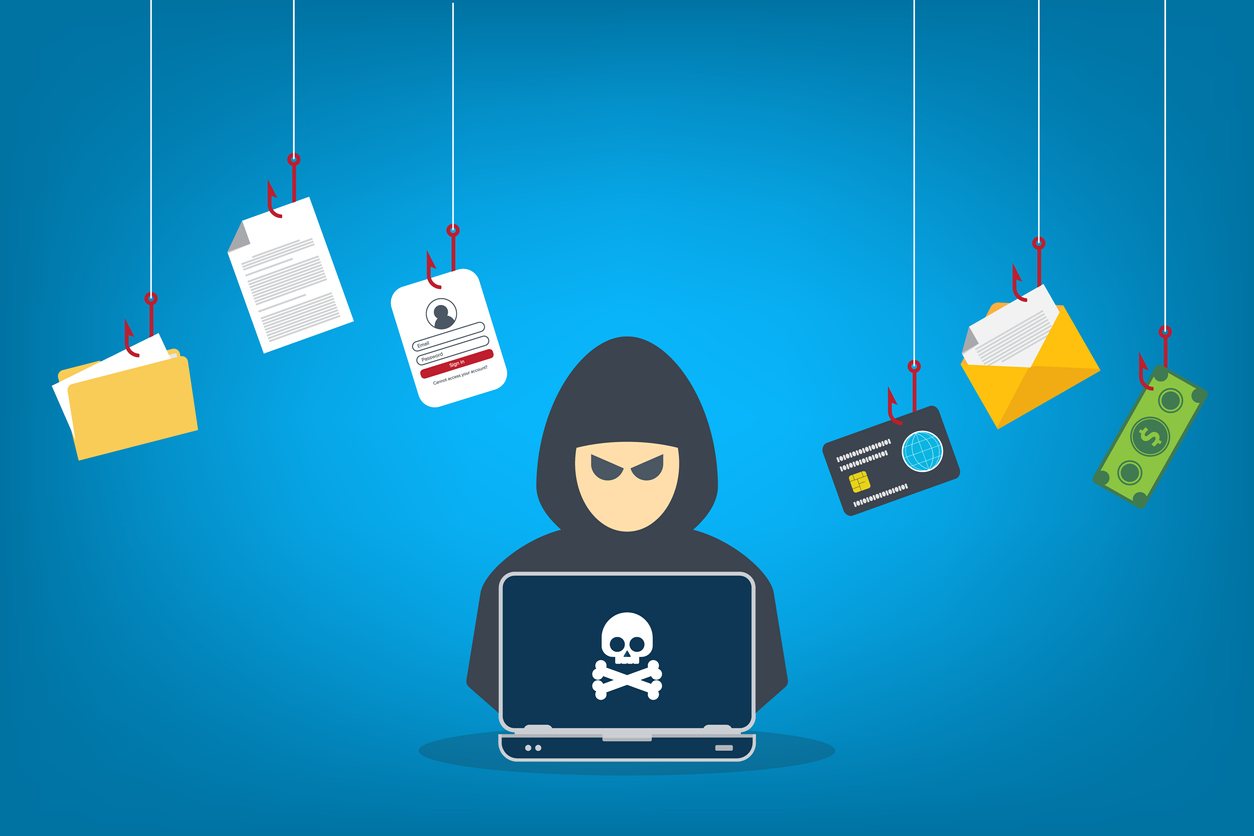
This whole model often starts with fake pop-ups or fake alerts. As soon as a user visits a website or searches for something, they suddenly receive a message that their system has been infected with a virus or their account has been compromised. In many cases, fake helpline numbers are displayed at the top of search results. When the victim calls, the person on the other end claims to be from Microsoft, Amazon, a bank, or technical support.
{{TAG_OPEN_strong_38}Misuse of remote apps{
The next step is to take control of the victim’s computer. Remote access tools such as AnyDesk or TeamViewer are installed. After gaining access, the scammer deliberately executes commands or fakes system errors to convince the victim that the computer has been seriously compromised. Sometimes fake bank logs or incorrect transactions are also displayed.
The fear gradually builds, leaving the victim speechless. They then threaten to freeze their bank accounts or face legal action if immediate action is not taken. This is where the money game begins.
Payment methods are also carefully selected. The money is often sent via gift card, wire transfer or cryptocurrency. Because they are difficult to track. In many cases, the money is initially deposited into Mule accounts and then withdrawn through various other routes. So even when fraud is detected, recovery is extremely difficult.
British Pronunciation Training
Reports indicate that many of the illegal call centres detected in India were specifically targeting foreign countries. Scripts, call logs, VPNs, international numbers and training materials were also seized during the raid. In many cases, agents were specifically trained on how to communicate with foreign nationals, how to use appropriate words, and where to apply emotional pressure.
Therefore, it is no longer just a cybercrime, it has become a form of transnational organized crime. Indian agencies like the CBI and ED have been cracking down on such networks from time to time.
At the same time, research agencies of the US and other countries are also sharing information with Indian agencies. Major tech companies claim to be working to block fake networks and prevent tech cooperation scams. But the problem cannot be solved by action alone. The reason is obvious: this model is cheaper, faster and makes higher profits.
A complete setup can be done for little money. Digital devices, VPNs and fake identities make it difficult to reach the real masterminds. In addition, the psychology of fear breaks people down so quickly that they don’t even take the time to ask questions.
Government data from India indicates a steady rise in cyber fraud cases. It has strengthened the 1930 helpline and cyber crime portal in India. Officials clearly state that it is important to report fraud as soon as it becomes suspicious. That’s because delays can make it nearly impossible to get a refund.
The real question is not just how many call centers have been caught. The real question is until the entire system is integrated into lead generation, payment channels and digital platforms. The business will continue to operate under a new name and new methods.