





Kathmandu. Nepal’s first biennial transparency report under the Paris Agreement published last April has clearly outlined Nepal’s climate risks, greenhouse gas emissions, adaptation strategies and financial needs.
The report posted on the website of the Ministry of Forest has given a strong message to the insurance industry and global reinsurers to play an active role in climate risk management in Nepal.



Increasing climate risk
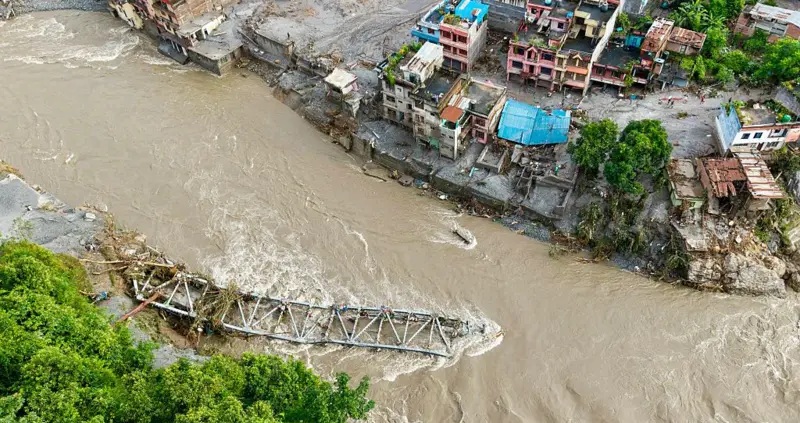
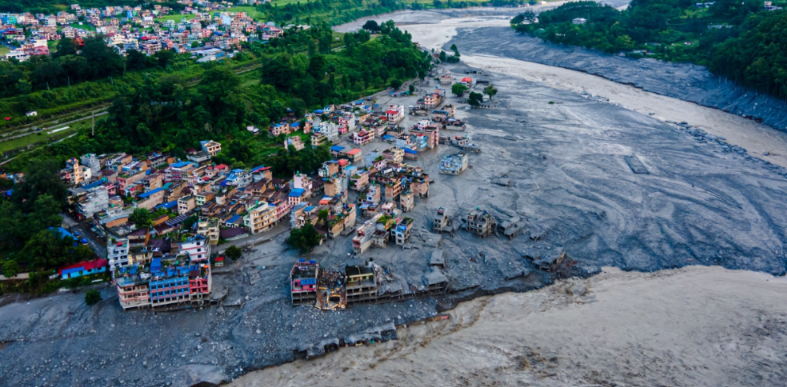
In Nepal, the risk of floods, landslides, droughts and glacial lake bursts is frequent.TAG_OPEN_li_48
Agriculture, hydropower, biodiversity, and urban infrastructure are the most affected sectors.TAG_OPEN_li_47
Only TAG_OPEN_li_46 35.8% of the population is aware of climate change. Women and mountain communities are most vulnerable.
Financial Gap
- Domestic resources can only meet less than 10% of the total requirement. The rest of the money will have to be raised through international aid and reinsurance mechanisms.
Nepal’TAG_OPEN_li_45 s nationally assessed contribution implementation cost is estimated to be approximately $33.04 billion.
The implementation cost of the National Adaptation Plan (NAP 2021-2050) is approximately US$TAG_OPEN_li_44 47.4 billion.
Challenges and Opportunities for Insurance Companies
Agriculture and Animal Husbandry: Insurance claims likely to increase due to climate-related production declines.
Hydropower and Infrastructure: Special insurance is required because climate extremes affect energy production.
Urban expansion: Rapid urbanization has increased the risk of flooding and infrastructure damage. This requires the latest disaster insurance solution.
Role of reinsurers
Nepal’s Climate Budget Code has ensured fiscal transparency. This helps reinsurers in their risk assessment.
The net-zero target by 2045 implies long-term policy stability. This makes Nepal an attractive market for climate risk insurance partnerships.
Potential support could include weather index insurance for floods and glacial lake outbursts, regional reinsurance bridges, and capacity building of local insurers.
Nepal’s biennial report is not only a document for meeting its international obligations, it is also a framework for risk transfer and sustainability. Climate risks are accelerating in Nepal and it is imperative that the insurance sector plays a decisive role in ensuring financial security.