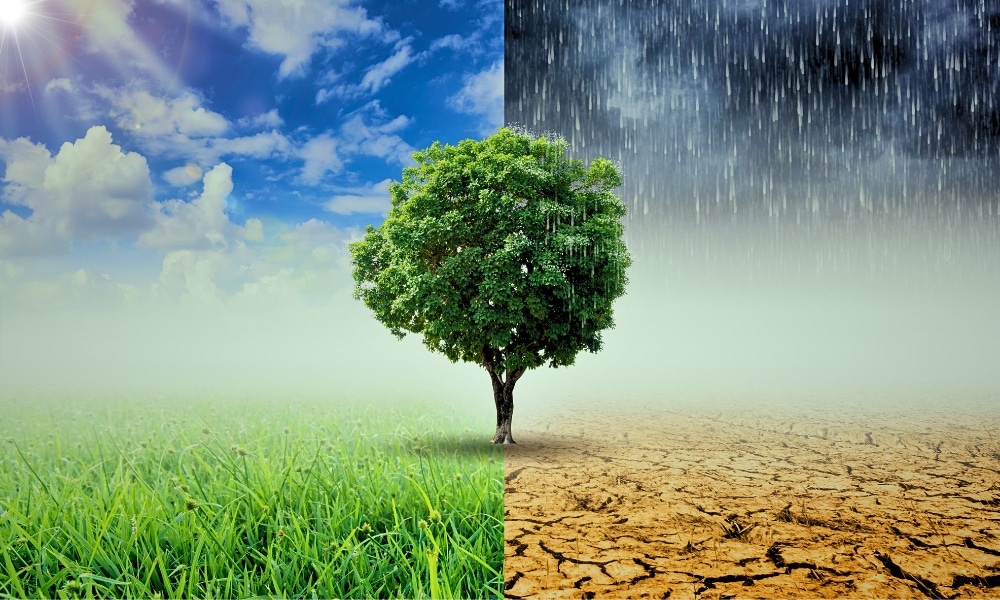





Kathmandu. According to a new report released recently, the collapse of ecosystems is increasing climate-related risks. With the loss of nature and climate change, uninsured losses in developed economies are also increasing.
An 80-page report, ‘Fighting the Insurance Security Gap: Leveraging Climate and Nature to Enhance Resilience’, published by the World Fund for Nature (WWF) in January 2026, examines the relationship between climate change and damage to nature and the global insurance security gap. It suggests policy solutions to strengthen resilience and ensure societies remain insurable.



The report analyses the insurance challenges beyond property insurance. It shows how climate and natural risks are harming health, agriculture, liability, trade barriers and infrastructure, driving up health care costs, reducing productivity, driving up food prices and leaving supply-chain disruptions uninsured.
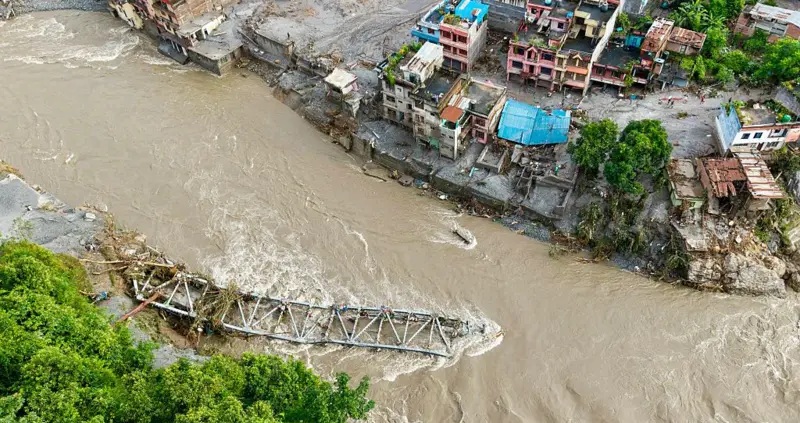
The WWF report highlights that climate and natural crises are increasingly weakening the foundations of insurance systems. “Extreme weather events are becoming more frequent and severe,” the report said, adding that decaying ecosystems are less able to mitigate their impacts. For example, in areas with extensive deforestation, the risk of major flooding can increase by up to 700 percent. This increases the economic damage. ’
Globally, the United Nations Office for Disaster Risk Reduction estimates that disasters will cost about $42.3 trillion (about 2 percent of global GDP) in 2023 when indirect costs and ecosystem costs are also included. “As the damage from chronic disasters like extreme weather events and sea level rise grows, the gap between total economic losses and the amount of insurance (we call the climate insurance safety net) grows,” the report said. This is putting many people and businesses at increasing risk. ’
Conservative estimates of this security gap cost an average of $64 billion a year (over 2021-2024) in the U.S. and 59 billion euros a year (over 2021-2023) in the European Union.
Kirsten Schuitt, director general of WWF, said: “The rapidly increasing damage and damage from extreme weather events is weakening the insurance market. This is due to both rising temperatures and the destruction of the ecosystems that protect us. Forests, mangroves and wetlands are critical to mitigating the devastating effects of these extreme events and should therefore be at the heart of strategies to increase our resilience and maintain the insurability of areas. –Asia Insurance Review