




Kathmandu. The Ministry of Forest and Soil Conservation (MoFA) has published the draft of the seventh national report of the Biodiversity Conference for the collection of suggestions. The draft of the report gives an important clue about the economic costs of climate change to the country and the role that the insurance industry can play in mitigating it.
Here are some of the topics covered in the report on the damage of climate change to the national economy and the possible steps that can be taken by the insurance sector.



Climate change value
}
- This directly implies the potential for increased insurance claims and compensation, which will force the insurance industry to devise a long-term strategy.
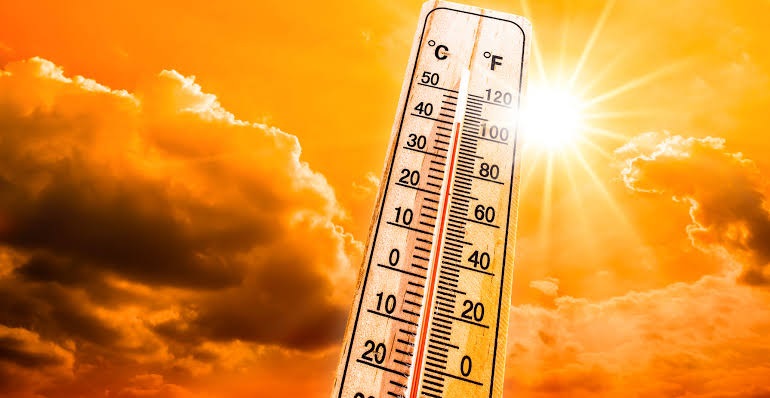
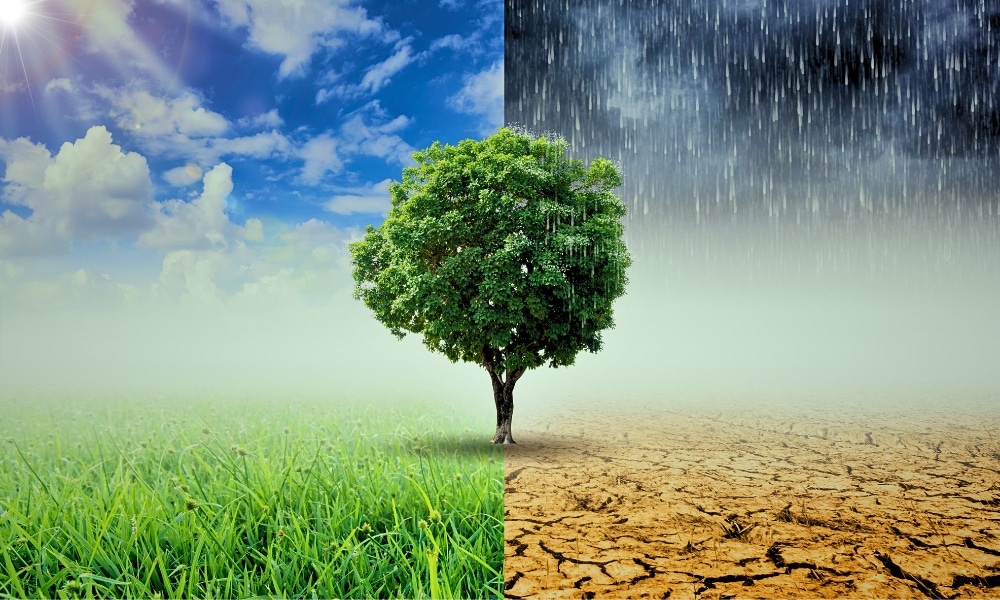
The report warns that natural disasters such as floods, landslides, droughts and warming will cause huge economic damage to agriculture, hydropower, tourism and infrastructure.TAG_OPEN_li_89
Nepal aims to increase its climate resilience by 2030 to minimize damage to biodiversity and ecosystems.TAG_OPEN_li_88
Financial and Policy Signals
- The report states that the financial sector will have to disclose biodiversity and climate risks, according to which the financial sector will have to disclose biodiversity and climate risks.
- This will bring new regulatory pressure on insurers, including climate risk in insurance writing, risk assessments and reports.
Nepal aims to raise $20 million annually from public sources and $10 million from the private sector.TAG_OPEN_li_84 This sees an opportunity for insurance companies to come up with innovative models such as green financial products and index-based insurance.
Social Dimensions
- Human-wildlife conflict management has been prioritized. This shows the possibility of converting animal and crop compensation plans into insurance products.
- Opportunity to expand community microinsurance for policy insurance companies that involve local communities and indigenous peoples in biodiversity management Yes.
| Target(Report) | Potential economic costs | Expected role of the insurance sector |
|---|---|---|
| {{TAG_OPEN_strong_78}Climate Resilience (Goal 18) | Floods, landslides, drought and temperature rise cause loss of billions of rupees to agriculture, hydropower, tourism | Agricultural Insurance, Hydropower Project Insurance, Infrastructure Insurance Extension |
| Ecosystem Restoration (Goals 2 and 14) | Ecosystem deterioration increases the risk of disasters, which increases insurance claims | Ecosystem-based adaptation insurance products, incentives for risk mitigation |
| Disclosure of Natural Hazards (Goal 35) | Regulatory penalties for financial sector failure to disclose biodiversity and climate risks | The insurance company adopts a risk assessment and reporting system in accordance with natural risks |
| Financial source operations (targets 33 and 36) | Project failed if it failed to raise $300 million annually | Seasonal Index Based Insurance (Rainfall Index, Crop Production Insurance), Green Financial Production{ |
| Human–Wildlife Conflict Management (Goal 7) | Livestock and crop damage, major impact on rural economy | Crop and Livestock Insurance, Conversion of Indemnity Scheme to Formal Insurance Product |
| Community Engagement (Goals 24 and 25) | Project failed due to neglect of local community | Community Micro Insurance Extension, Trust Building |
The themes and goals outlined in this draft report provide an opportunity for insurance companies to increase investment in green bonds, discourage investment in sectors that contribute to climate change and environmental pollution, make full disclosures in financial statements about the financial impact of natural risks, and expand microinsurance policies.