




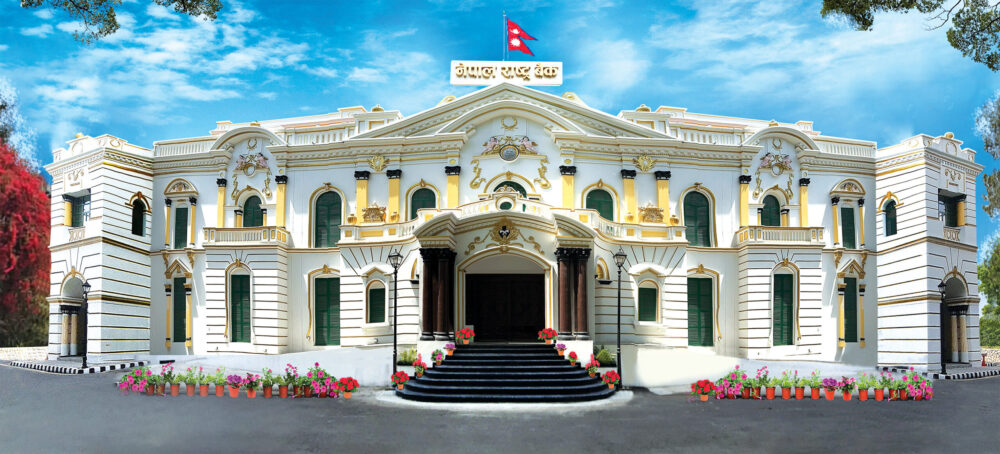

Kathmandu. Nepal Rastra Bank (NRB) has released the fiscal year 2082. The half-yearly report of ’83 presents a paradoxical picture that the country’s economy is “strong externally but weak internally”.
Despite the increase in foreign exchange reserves and remittances, there are some deeper aspects of this report. This is directly affecting the kitchens and pockets of ordinary consumers and small businesses.


The published figures paint a contradictory picture. On the one hand, the central bank has a stash of foreign currency for about 18 and a half months. On the other hand, the debt of the agricultural sector, which is considered the foundation of the country, has declined. This data indicates that the Nepali economy is in a situation where it cannot or does not want to spend money despite having money.
Consumers’ Kitchens: Is it cheaper or has purchasing power decreased?
Inflation stood at 2.42 per cent as against 5.41 per cent in the previous year, the data showed. But are consumers relieved? The price of food and beverages increased by 0.09 percent. This means that goods should be cheaper in the market.
However, the 5.52 per cent fall in pulses and legumes and 3.92 per cent in marmalai have raised questions about whether the increase in production has led to a decline in consumer purchasing power or demand.
The price of food has increased by 7.56 percent in education and 5.29 percent in clothes and footwear. This is further squeezing the monthly budgets of middle-class families.
The most worrisome aspect of the report is the decline in agricultural credit by 1.2 percent. While the government has been saying that it will give priority to agriculture, the withdrawal of investment by banks from this sector is sure to increase food imports in the future.
In contrast, higher purchases and gold imports have increased. The hire-purchase loan facility for luxury vehicles has increased by 7.15 percent. Despite the price of gold going up by 72.6 percent in the international market, the import of gold and silver has increased in Nepal. This confirms that wealth is piled up in a limited group and money is going to unproductive sectors.
According to the report, 1062.93 billion remittances in six months are oxygen for the country, but its price is terrible. The number of people taking re-labour permit has increased by 19 percent to nearly 200,000. In the name of going to school, Rs 67.47 billion has been outflowed in the last six months.
That is, Nepal is bringing in remittances, but it is losing more valuable intellectual and young manpower and the capital they can carry.
Deposits in banks increased by 14.8 percent while credit flow was only 6.7 percent. Banks have a lot of money and interest rates are very cheap. The average interest rate on the loan is 7.12 percent. The fact that the private sector is not borrowing despite such low interest rates shows that there is an extreme lack of confidence in the market.
This report of the Nepal Rastra Bank has presented statistics that the situation of the economy is comparatively easy under one cover, but at the internal level, the productive agricultural sector of the country is shrinking. On the other hand, the bitter reality that the country is sustained only by a consumption-oriented economy is hidden. It is good that the foreign exchange reserves have reached 18 months, but the challenge of the future is that the money is not being spent on job creation and production at home.