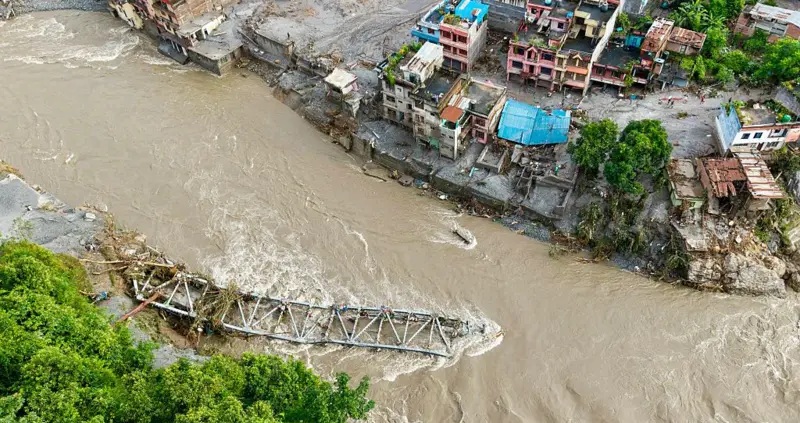





Kathmandu. The Philippines is considered a global leader in the field of micro insurance. The Philippines’ model of providing financial security to low-income groups and its impact on the economy could be an important lesson for a developing country like Nepal.
The mainstay of microinsurance’s success in the Philippines is the public-private-partnership and mutual benefit association model.


The Philippines established a separate regulatory framework for microinsurance after 2008. The insurance premium is set at no more than 7.5% of the daily minimum wage, making it easier for poor people to buy insurance.
Insurance policies are not only sold through traditional agents, but also through shops, cooperatives, rural banks, and digital wallets (such as GCash).
Smallholder farmers, informal sector workers, and low-income women are the main beneficiaries of this. As of 2023, there are about 50 million people (48% of the total adult population) covered under micro-insurance.
Micro insurance has made a limited contribution to the Philippine economy. When natural disasters or health problems strike, poor families are not allowed to fall into a vicious cycle of debt, which keeps consumption and savings stagnant.
Micro-insurance in the Philippines covers not only crop and livestock damages, but also medical expenses and loss of income when a farmer falls ill.
Although the share of micro insurance in the total insurance premium is only 3%, it accounts for more than 75% of the total number of policies. This has helped to widen the scope of the insurance market and increase the contribution of the insurance sector to the GDP.
In Nepal too, micro-insurance has been prioritized in recent times. The Insurance Authority of Nepal is managing it through the Insurance Act 2079 and Micro Insurance Directive 2079.
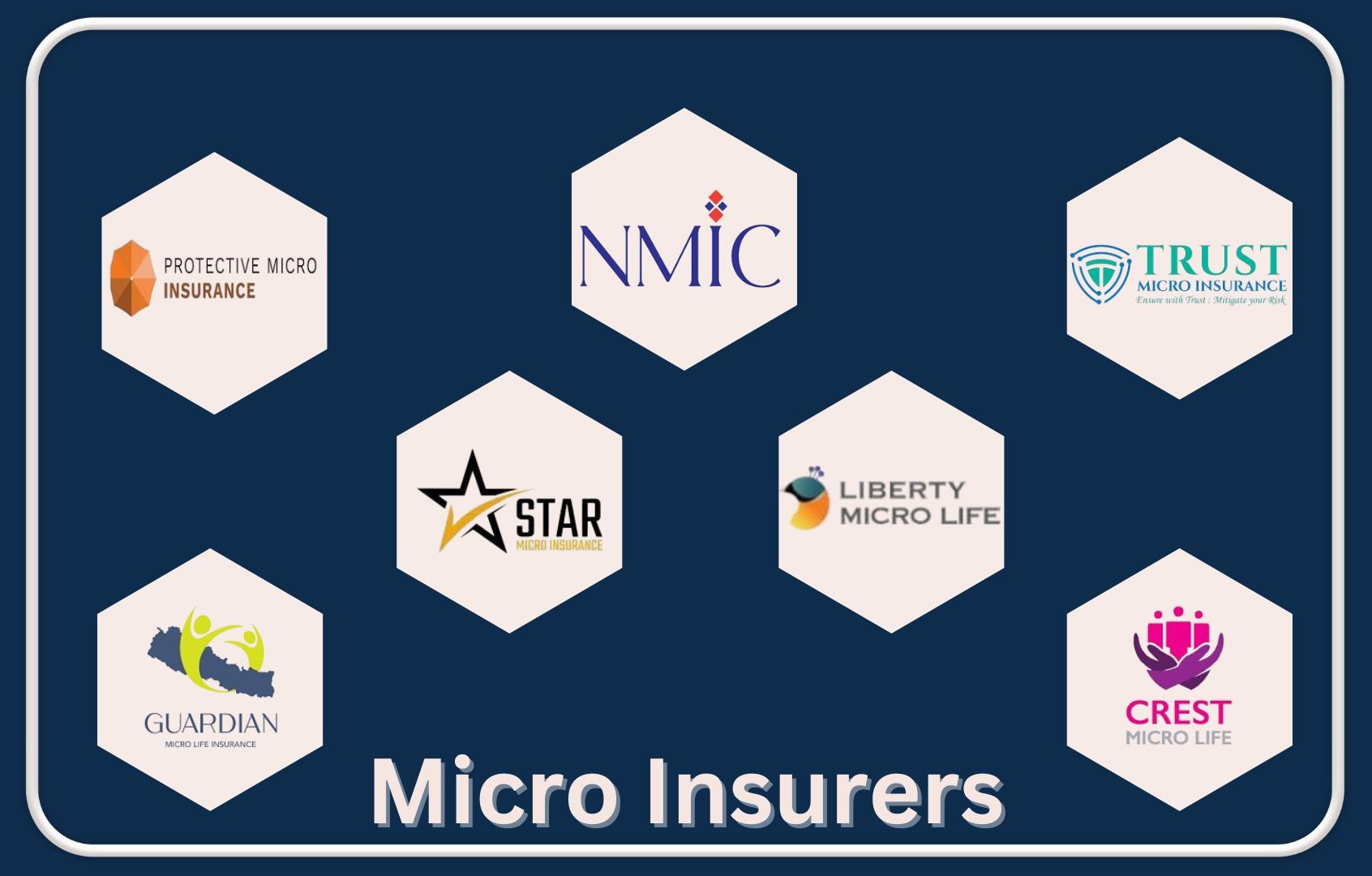
In Nepal, 7 micro insurance companies (life and non-life) have been licensed, which have already started working in rural areas.
Nepal has adopted a stand-alone model, where separate companies are set up only for micro insurance. Earlier, it was mandatory for large insurance companies to insure 5% of their total business.
Nepal can follow the following aspects of the Philippines to make its micro insurance sector effective:
Faster Claim Payment: In the Philippines, claims are paid within a few days of the incident. In Nepal too, there is a need to simplify and speed up the claim process.
Digitalization: The technology of premium collection and payment through mobile apps and digital wallets should be taken to the villages.
Partnerships: Micro insurance can be taken up as a compulsory or packaged partnership with cooperatives and local governments.
Awareness: The message that insurance is not an ‘expense’ but a ‘saving and security’ needs to be taken to the grassroots level.
The foundation of micro insurance has already been laid in Nepal. If the Philippines adopts technology and a simple delivery system, it will be a milestone in poverty alleviation and economic stability in Nepal.