




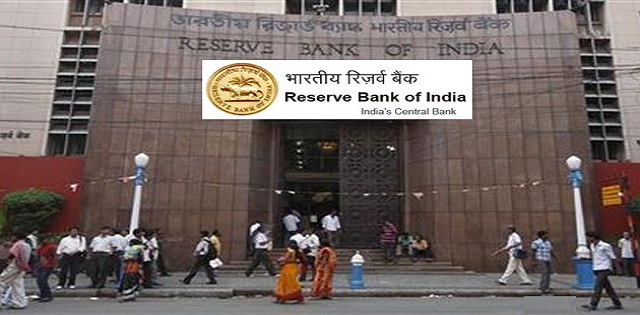

Kathmandu. The Reserve Bank of India (RBI) is set to revamp how banks pay for deposit insurance by adding security charges to a lender’s risk profile instead of a decades-old uniform fee. Under the new RBI framework, it aims to reward strong banks with low risk by offering insurance at cheaper rates and encourage proper risk management.
From April 1, banks will pay deposit security charges under the new system, which will be implemented by the Deposit Insurance and Credit Guarantee Corporation, the RBI said in a release on Friday.



India has operated a uniform rate deposit insurance system since 1962. Under this, banks pay a uniform fee – at the rate of 12 paise per 100 rupees. It does not assess the level of risk.
Under the new structure, banks will be evaluated using financial and supervisory indicators such as capital, asset quality, earnings and liquidity, the RBI said.
The central bank has introduced two risk assessment models. Tier 1 model for scheduled commercial banks other than regional rural banks, and tier 2 model for regional rural banks and cooperative banks.