





Kathmandu. Entering the world of work in 2026 means entering an environment where artificial intelligence (AI) is no longer a specialized tool but a fundamental part of work.
From drafting to data analysis to customer engagement, AI systems are involved in almost every task. It has changed not only the way of working but also the structure of career entry. The question now is not whether technology will transform careers, but whether optimism can become a work strategy in an era of constant automation.



According to Randstadt’s 2026 WorkMonitor survey, a majority of employees around the world believe AI will impact their daily work. The demand for jobs that require AI-related skills has grown rapidly. However, less complex and repetitive tasks are increasingly assigned to machines.
The difference between the generations is clear. Genji is most concerned about the impact of AI on job security. Whereas older workers are more confident in their ability to adapt. One reason for this is time. The younger generation is entering a system that has already been transformed by automation. Whereas the older generation has adapted to the change.
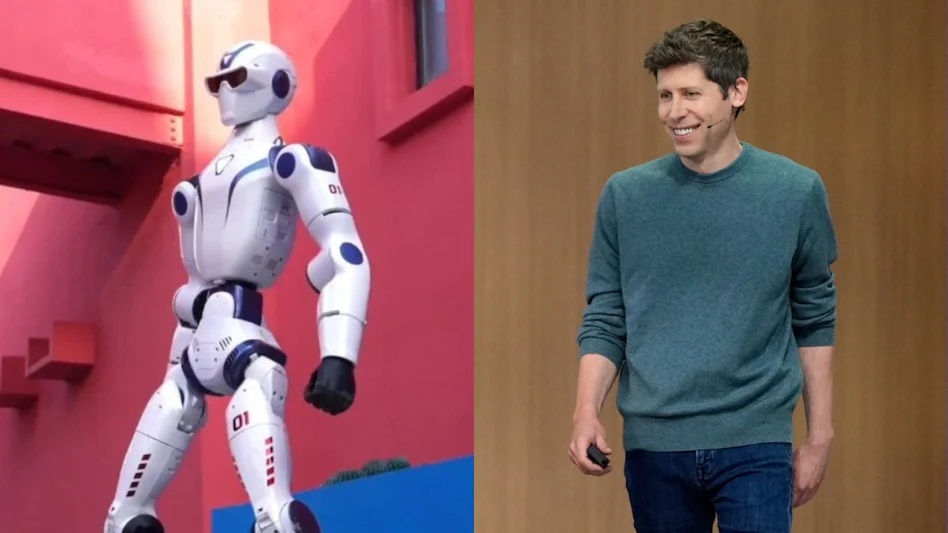
Elon Musk’s advice to young people
}
Tech tycoon Elon Musk, the world’s richest man, told young people, “I say, be optimistic. It’s good to be positive about the future. It’s better to be optimistic and wrong than pessimistic and right; Your quality of life will be better. ’
“I want people to be excited about the future. I’m excited about the future. I believe that the future will not be boring. Read a lot of books, try different things. Enjoy life, but work is also a part of life,” Musk said. Musk’s advice is more philosophical than practical. But for today’s youth, optimism will work in more challenging circumstances than ever before.
Entry points for young people are decreasing
The lesser visible impact of AI adoption has been on early careers. Tasks that once provided learning opportunities for junior staff, such as basic reporting, customer handling and routine analysis, are now done by machines. This has made the transition from education to employment more precarious. There are opportunities, but they are few. They require a lot of skills and don’t provide as much flexibility as they used to.
Optimism is no longer an option Prerequisite
The concern around AI is not just about job losses, but about the pace of change. Job requirements are evolving so rapidly that training systems are lagging behind. AI is no longer taught to understand. It’s just speculation. This means that the responsibility of self-transformation has fallen on individuals.
To be optimistic about 2026 is to believe that you can learn new skills faster as jobs change. We must also accept that careers will no longer follow a linear path and that traditional milestones will be reduced.
Concern is high, but on the other hand, GenG is also the largest user of AI tools. Many young people are already using generative AI in drafting, research, coding, and daily tasks. This familiarity does not remove the risk, but it certainly reduces the fear of the unknown.
Randstadt’s data also shows that despite the anxiety, people have not backed down. Instead, they understand that technological change is structural, not temporary.