




Kathmandu. Deepfake technology is posing a new threat to insurance fraud in the insurance sector.
Fake images, videos, audio, and documents created using artificial intelligence (AI) can now appear so realistic that it is difficult to distinguish between real and fake. This is increasing the challenge for insurance companies to verify customer information.



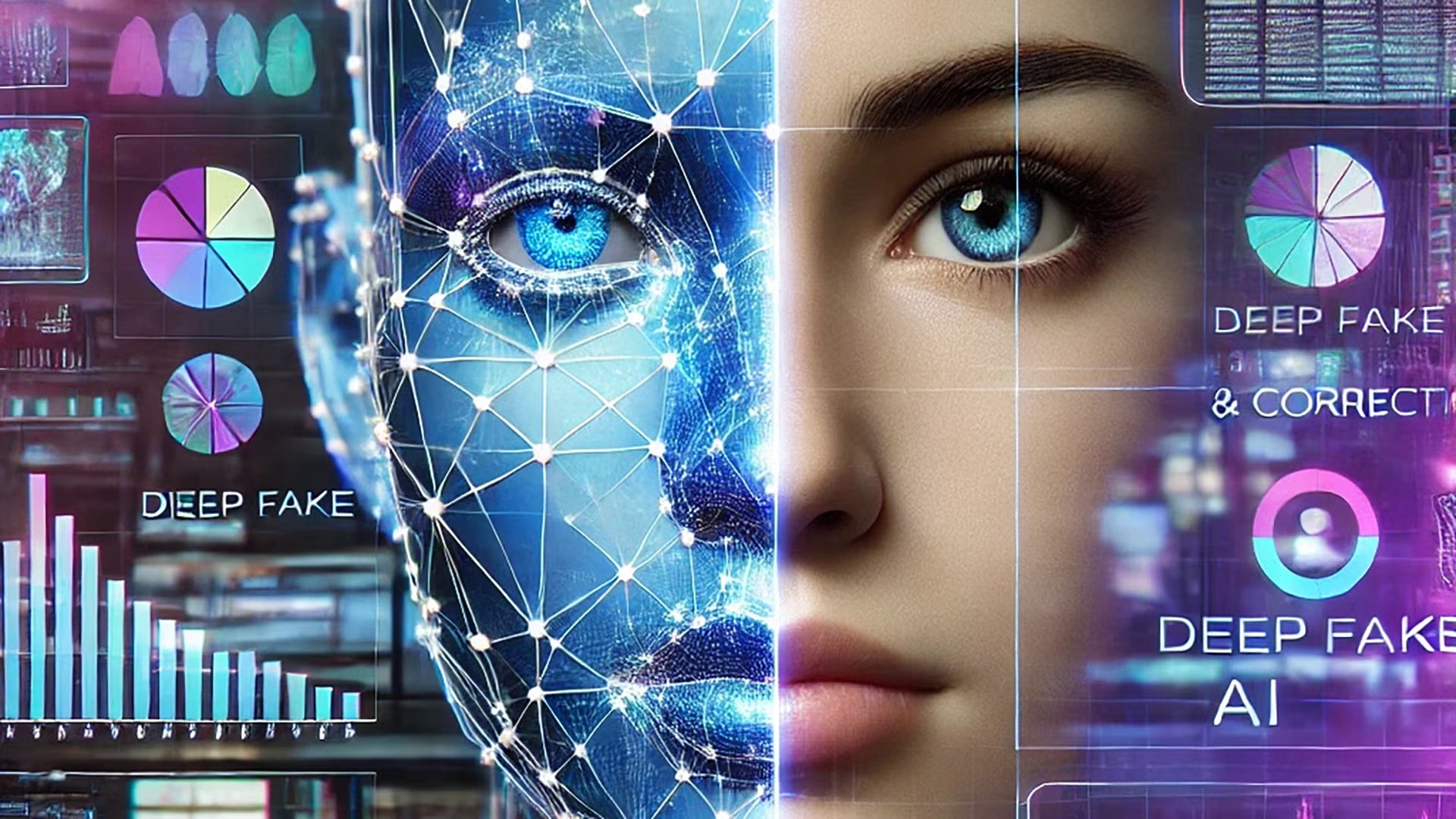
Deepfake is a method. In which fake photos, videos, audio, or information are created using AI. Which look like real. It is also possible to change real photos, videos, or information.
One of the biggest threats of deepfakes in the insurance sector is in indemnity claims. Fraudsters may try to get insurance money by using fake accident photos, fake evidence of damage, altered identity cards, fake medical reports, or fake videos.
The use of AI in the insurance sector is growing rapidly. AI is being used to analyze customer data, approve insurance policies, verify risks, review claims, provide customer service, and detect fraud.
According to a survey conducted by the European Insurance and Pensions Authority (EIOPA) in 2025, 65 percent of European insurers are already using AI technology. Meanwhile, 23 percent of companies plan to use this technology within the next three years.
Insurance companies are using AI to make faster decisions, reduce costs, and provide faster and better customer service. However, one of the limitations of AI is that it cannot always accurately determine whether the information is real or fake.
This is because AI usually makes decisions based on past information and certain characteristics. However, it is difficult to confirm whether the picture was actually taken at the scene of the accident, whether the document is real or not, or whether the video has been changed. All of which is difficult to verify without separate verification.
For this reason, many insurance companies are now using AI along with human authentication systems. AI can work faster for simple claims. The role of experts is crucial for final decisions on big claims, questionable documents, or complex issues.
Insurance fraud causes significant financial losses worldwide every year. According to the Coalition Against Insurance Fraud, an organization that works to prevent insurance fraud in the United States, the country loses about $ 308.6 billion annually. In addition, the misuse of fake photos, videos, and documents created by AI is creating new opportunities for fraud.
It is difficult to determine the actual number of insurance frauds committed using deepfakes. This is because many cases have not been reported. However, many studies and industry analysis indicate that there is an increase in fraud attempts using AI technology by creating fake accident photos, altered documents, and fake identities. Car insurance companies, in particular, are warning about these risks.
Currently, deepfakes are identified using data source verification, technology to detect altered images or documents, and various AI-based systems. These technologies try to understand where the image or video originated from and whether it has been altered later.
Countries around the world are developing new rules regarding the use of AI to address the risk of deepfakes. The European Union has introduced the AI Act. It calls for more controls for risky AI systems. The UK, the US, Canada, Singapore and Japan are also emphasizing security, transparency, and consumer protection in the use of AI. – Agency