



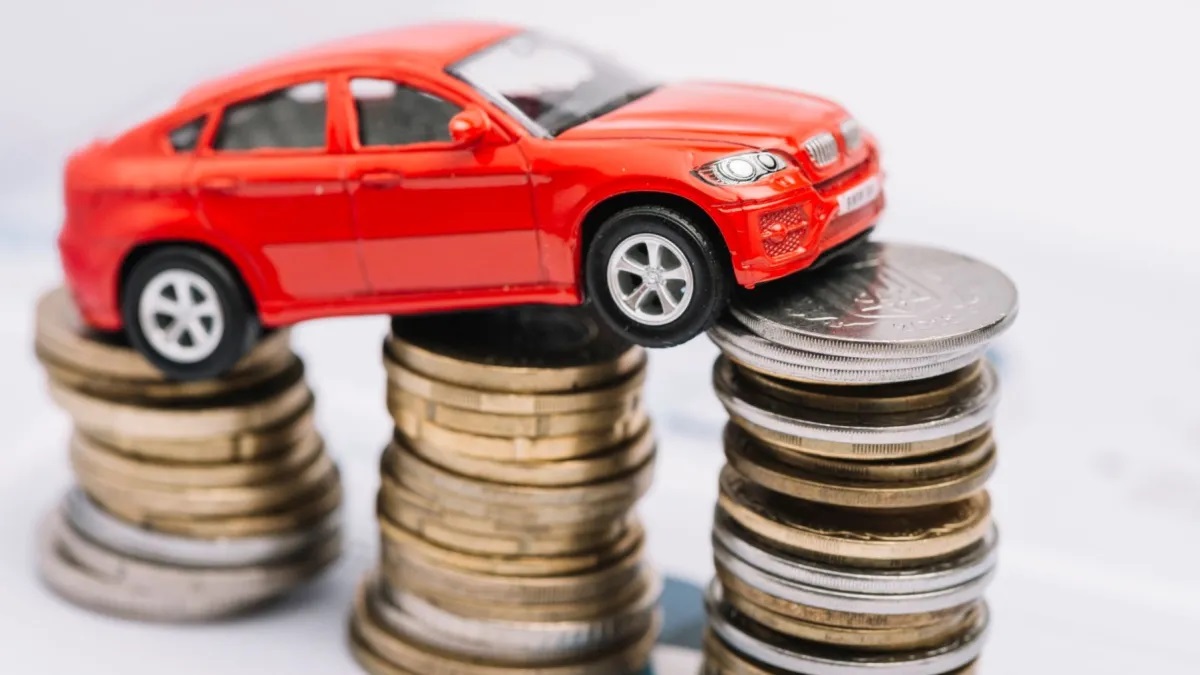

Kathmandu. China’s motor insurance sector is expected to reach $140 billion by 2026, driven by rising vehicle sales, regulatory changes and rapid adoption of new energy vehicles (NEVs).
According to GlobalData, the market is expected to grow by 5.4% to reach $174 billion (total premiums) by 2030. China’s auto insurance industry is expected to reach $133.1 billion by 2025, according to a GlobalData report. That’s an annual growth rate of 4.4 percent. This growth is supported by a recovery in vehicle sales, regulatory reforms and increased penetration of new energy vehicles (NEVs). ’



Vehicle production in China grew by 3.7% in 2024. Sales were up 4.5%. Data from the China Association of Automobile Manufacturers shows that sales of commercial vehicles increased by 14.1% in July 2025. Passenger car sales increased by 16.3%. This increase in vehicle sales is directly supporting the demand for motor insurance.
Government measures are also supporting the growth of the motor insurance market. China’s trade-backed incentive provides grants of $2,800 for NEVs and $2,100 for vehicles powered by conventional fuels. When old cars are petted and replaced with new ones.
This is part of efforts to meet national IV emission standards. Shoppers also get a 10% purchase tax rebate. After that, you get an additional 5% tax rebate.
NEVs accounted for 49.7% of total new vehicle sales in 2025. Between January and July 2025, NEV sales reached 8.22 million units. This is an increase of 38.5 percent compared to the same period in 2024.
Data from the National Financial Regulatory Administration shows that the NEV accounted for about 15% of total motor insurance premiums in 2024.
According to GlobalData, improvements in mandatory third-party liability insurance and increasing use of telematics are expected to drive premium growth between 2026 and 2030. Carmakers are also entering the insurance market using vehicle and battery data. In May 2024, regulators approved BYD to offer mandatory traffic accident liability insurance in eight regions.
Due to the high risk and maintenance costs, the NEV insurance premium in China remains higher than that of traditional vehicles. To address concerns about affordability, regulators have issued guidelines aimed at stabilizing the EV insurance market. Insurance companies have adopted approaches such as separate battery and vehicle coverage, usage-based insurance, and risk-sharing systems for high-risk vehicles.
In recent years, the loss ratio in the motor insurance sector has increased. The report by GlobalData expects the loss ratio to increase from 57.32% in 2020 to 70.04% in 2024 due to high maintenance costs, cost of spare parts, and increasing risk to NEVs.
Insurance companies are responding by investing in technology to process claims, assess damages, and improve customer service. The market is moving towards more digital platforms, automated claims, and differentiated products.
“The growth outlook for the Chinese motor insurance market during 2025-30 remained positive, benefiting from higher vehicle sales, rapid growth in NEV fleet, and government measures to achieve national IV emission standards,” said Swarup Kumar Sahu, Senior Insurance Analyst at GlobalData, in the report. ’
According to Sahu, regulators will support risk-based premiums while focusing on claims transparency and pricing flexibility. The profitability of the insurance companies will depend on the NEV actuarial capacity, deployment of telematics and claims automation, and continuous collaboration with traffic authorities to reduce the severity of losses. –Insurance Asia