




Kathmandu. The United States and Iran are once again face-to-face. The second round of peace talks between the two sides appears to have failed even before it began.
There has been no agreement yet on the Strait of Hormuz, and there have been reports of Iranian drone strikes on the US navy as the US seizes Iranian ships trying to break its blockade.



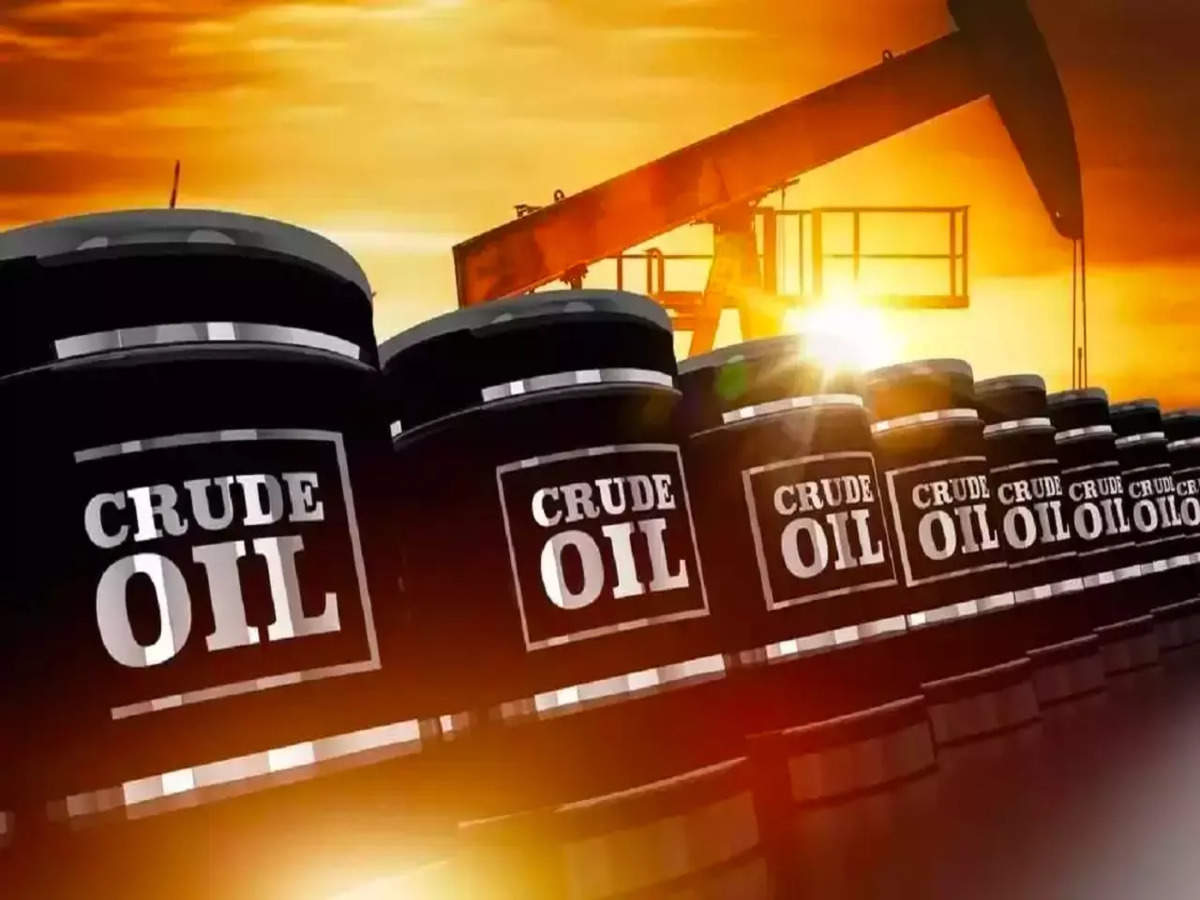
The new tensions and war have had a direct impact on the price of crude oil. Brent crude oil prices rose more than 6 percent. The price of WTI crude oil has also increased by about 7 percent.
According to the AP report, the price of crude oil has increased drastically in today’s early trading. U.S. crude oil rose 6.4% to $87.88 a barrel after trading on the Chicago Mercantile Exchange. Brent crude, the global oil benchmark, rose 6.5% to $96.25 a barrel.
Hope for peace shattered, oil prices soar{
}
The oil market reacted after more than two days of growing hopes for peace between the United States and Iran were shattered. Tensions between the two countries on Hormuz show no signs of abating. This has led to a significant increase in global tensions. As of Monday, the price of crude oil was trading higher in the international market. Brent crude oil prices are up nearly 6 percent.
Trump announces that the blockade of Hormuz will continue{
Tensions in the Middle East had eased for a few days, and after Pakistan’s first failure in Islamabad, hopes were high that the second peace talks would succeed. However, tensions had reached a climax before it began. Tehran reversed its decision on Saturday after President Donald Trump announced that the US Navy would continue blockade of Iranian ports.
The next day, Trump announced that the U.S. had attacked and seized an Iranian-flagged commercial ship as it was crossing the U.S. blockade. After this, Iran’s Joint Military Command announced revenge.
The U.S.-Iran war has escalated again after a brief peace and is now in its eighth week. This has led to one of the biggest global energy crises in decades. Which is affecting countries all over the world.
Countries in Asia and Europe, which import a significant portion of their oil from the Gulf, have been particularly hit by supply disruptions and production cuts. –Agency