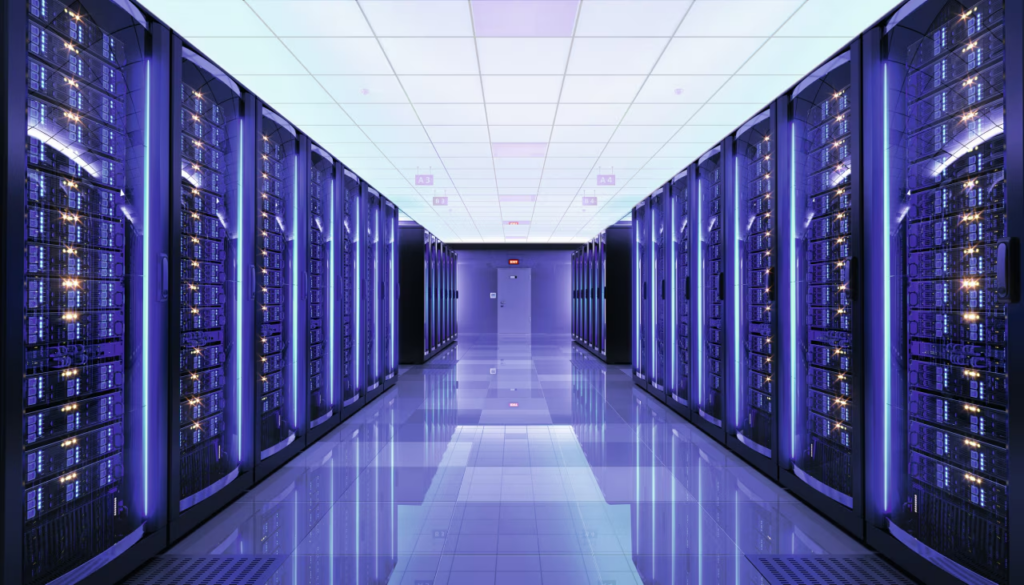




Kathmandu. It has warned that the risk of helium supplies for Asia’s semiconductors could increase as the war with Iran prolongs and Qatar continues to run out of natural gas.
International rating agency Fitch Ratings has issued this warning. “Credit risk will increase if helium supply shortages exceed inventory buffers. This will lead to higher sourcing costs, increased workforce requirements, and the need to prioritise production,” Fitch said.


Fitch said the gas crisis in Qatar was restricting the supply of helium, natural gas production used in semi-conductor manufacturing and medical imaging, and that careful buying was adding to the pressure. “Operating impacts appear to be substantial,” Fitch said, adding that major Taiwanese chipmakers said operations were normal and inventory and supplies were organized. ’
Fitch said Taiwan’s Ministry of Economic Affairs had scheduled 22 liquefied natural gas cargoes for March and April, and that domestic oil, coal and gas inventories were above legal safety levels. “That means there are no immediate gas supply problems,” Fitch said, adding that conflicts in the Middle East are seen as a “controllable risk to Taiwan’s semiconductor sector”. Medium-term risks remain if disruptions persist and replenishment cycles make it difficult to manage. ’
The timing of the conflict will determine the credit effect. Even if Qatar’s facilities resume, the helium shortage may not end anytime soon. Qatar’s energy minister says it could take weeks to months for normal deliveries to resume once the conflict ends. This delay could extend the catch-up period for shipping schedules and contract allocations. ’
Major Asian chipmakers have already conducted helium inventory evaluations. According to Fitch, regional exposures vary significantly and determine where supply pressures will be felt first. “South Korea appears to be one of the most vulnerable countries,” Fitch said, adding that it received about 64.7 percent of its helium imports from Qatar in 2025. ’
Taiwan faces similar risks. That’s because Taiwan relies on Qatar for most of its helium supplies. It’s hard to find another source quickly and higher-priced U.S. supplies could be a potential alternative.
In contrast, Japan’s helium supply is very stable. The country imports about half of its supplies from the U.S. and 28 percent to 33 percent from Qatar. It also holds inventories in both the U.S. and Japan. This shows how diverse sourcing and inventory conditions can reduce the risk of disruptions.
However, Fitch has portrayed cost pressures as a second-order issue. “This will be significant if the problem persists for a long time,” the firm said. ’
In the event of a severe shortage, the price of helium can increase by 50 percent to 200 percent. While negotiated prices are generally more stable, they can rise by 20 percent to 40 percent in renegotiation. However, for large producers, the impact on the total cost of goods sold should be minimal. That’s because helium typically accounts for about 0.5 percent to 1 percent of production costs.
Fitch said operating concerns were related to credit. “If the limited flows remain long enough to eliminate buffers, perhaps longer than about 6 weeks, manufacturers could face higher purchasing costs, increased working capital requirements and earnings volatility,” Fitch said. ’
Conversely, supply shortages could push up chip prices and support margins. Can reduce the impact and provide flexibility in long-term disruptions. –Agency