



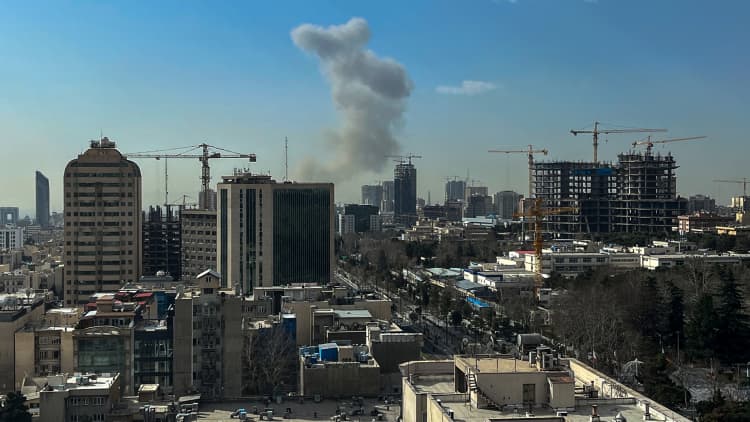

Kathmandu. The U.S.-led invasion of Iran, followed by military strikes in the Middle East and the Gulf, has directly affected global reinsurance.
According to S&P Global Ratings, the declared war and the conflict between the countries will cause significant damage to fossil fuel mines, mining infrastructure, ships transporting fuel, and large airports. Most of these include insured infrastructure and assets.



This conflict can have far-reaching implications for the reinsurance industry. The final magnitude and impact of the reinsurance sector is yet to be ascertained. The outcome will depend to a large extent on the duration of the conflict, the size of the damage and the trend. US President Donald Trump has said that the war will continue for at least 4 weeks.
S&P Global said the size of the deficit could become apparent in weeks or months, given how fluid the international situation is due to the current war.
According to S&P, many reinsurance companies are currently at risk of increasing volatility and potential losses. These include policies covering specific categories such as maritime, aviation, energy, political violence, terrorism and cyber, as well as asset risks and supply chain or trade disruptions in affected areas.
Marine insurers have already begun cancelling war-risk covers in conflict zones, including in the Gulf and adjacent waters. Insurers with significant significant risk are particularly likely to be affected, especially in the Middle East’s advanced economies.
However, S&P also analyzes that the current capital adequacy with reinsurers will provide some relief from serious losses. The global reinsurance sector entered 2026 with strong capitalization and is now getting stronger. The strong balance sheet has extended its long-standing trend of flexibility. Capital adequacy has consistently been one of the key strengths in the sector.
Insurers who have insured complex or high-risk risks, including war risk, aviation, energy, and political violence, will be the hardest hit by the current conflict. These are directly related to the type of events that occur in the classes. This increases the likelihood of a significant compensation claim.
The Middle East conflict escalated sharply over the weekend, with significant destruction reported in Iran, Israel, Iraq, Jordan, Cyprus and Gulf Cooperation Council countries.
Major international airports across the region have been closed, and maritime activities have been severely affected. These include the potential closure of the Strait of Hormuz, a strategic chokepoint that handles about 20 percent of global crude oil and marine natural gas flows.
According to Aon plc, global reinsurance capital reached a record $760 billion as of September 30, 2025. There has been an increase in both conventional and alternative capital sources.