





Kathmandu. Globally, low-income and vulnerable communities are the most vulnerable to natural disasters and disasters. In the context of Nepal too, the economically poor, small farmers and workers in the informal sector are at the forefront of such risks.
Pujan Dhungel, Director of Nepal Insurance Authority (NEA), has presented an in-depth and factual article on insurance inclusion through microinsurance and its challenges in the anniversary special issue of NEA. According to Adhikari’s article, insurance inclusion in Nepal is not only a matter of increasing statistics but also a major tool to protect the standard of living of the citizens at the grassroots level.



Grassroots Access: Need and Purpose of Microinsurance
}
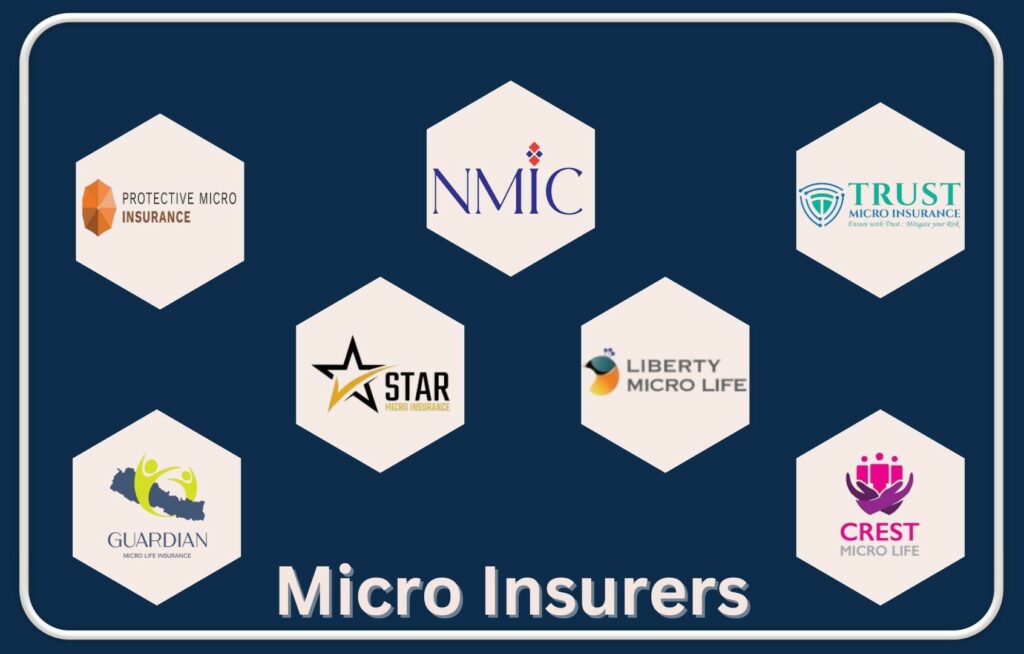
Director Adhikari has mentioned in his article that the concept of microinsurance in Nepal was established in the year B.S. It was officially started in 2014. However, after the implementation of the Insurance Act, 2079, the sector has gained a new momentum with the approval of seven standalone microinsurance companies with headquarters in all seven provinces.
According to the analysis, the main objective of these companies is to bridge the ‘insurance security gap’ by reaching out to the villages instead of Kathmandu. “Insurance companies often prepare policies sitting in their cramped, air-conditioned offices, where they can’t feel the real pain of low-income people,” she explained in the article. ’
Therefore, the official argues that the micro insurance should keep the needs of the customers at the center.
In his article, Adhikari has classified 5 types of highly sensitive groups in Nepal:
- Low-income families: who are more likely to fall into the vicious cycle of poverty due to natural disasters.
- Rural Communities: where access to banks and insurance is low.
- Small farmer: whose income depends on the weather and market fluctuations.
- Informal sector workers: such as street vendors, construction workers, and daily wage earners.
- Women and single women: who are the main income earners of the family but are out of financial access.
The formula that makes microinsurance effective:
In her article, Director Adhikari has discussed the principle of ‘SUAVE’ to make microinsurance products successful. Insurance policy under this:
- Simple: should be easy to understand.
- Comprehensible: should be a language understood by the locals instead of technical terms.
- Accessible: to get close to the target group.
- Valuable: should be useful to customers and effective for insurers.
- Efficient: Claim payment process should be quick and quick.
According to the directive officer, the claim payment in micro insurance should not be considered as an expense but as an ‘investment’ to earn trust.
Challenges and Future Course of Action
Adhikari also pointed out the challenges in the path of micro-insurance. Difficulties in distribution due to geographical remoteness, low financial literacy and lack of timely receipt of government grants are some of the major obstacles in the sector.
To address this, the official has made some concrete suggestions:
- Clear definition: Low-income people should be clearly identified.
- Product Bundling: Linking insurance to other services (such as seed or health care).
- Partnership: Expand distribution systems in collaboration with local governments, cooperatives, and telecommunications companies.
- Use of Digital Wallet: Collect insurance premiums and pay claims using technology.TAG_OPEN_span_48
Conclusion
The gist of Adhikari’s analysis is that microinsurance is not just a commercial product but a “friend of misery” for the poor. In a country like Nepal, which is at high risk of climate change and natural disasters, microinsurance provides a financial safety net.
“Microinsurance is not only risk management, it also builds resilience in communities and can be a powerful tool of socio-economic empowerment for the government,” Adhikari concluded. ’
If the government, regulators and insurers work together, microinsurance will prove to be a milestone in achieving the goal of financial inclusion in Nepal.