



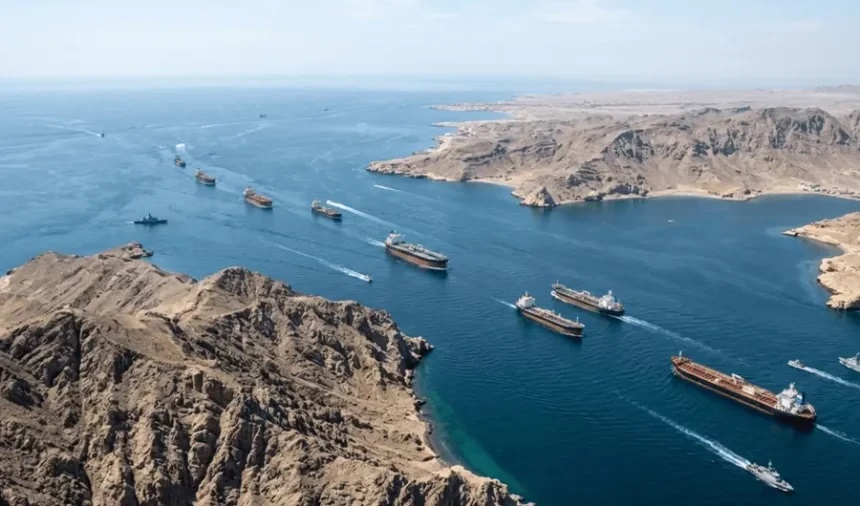

Kathmandu. The impact of the conflict in West Asia is being felt worldwide. The Strait of Hormuz, the sea route to Iran, has been almost closed. The tensions have also affected shipping across the Red Sea between Saudi Arabia and Yemen.
In the past, ships from Europe and Asia used to reach their destination directly and quickly through the Suez Canal. Now they are abandoning this route and taking a longer route around the African continent.



70% of cargo is now transported via Africa
- The number of ships passing through the Cape of Good Hope has tripled in three years. From March 1 to April 24 this year, 20 ships operated daily. In June 2023, there were only 6.
More than 7 TAG_OPEN_li_40 0% of cargo ships are now being transported through Africa due to fears from Iran-backed Yemeni Houthi rebels in the Red Sea.
Previously TAG_OPEN_li_38, 18 ships used to pass through the Red Sea and Suez Canal daily. However, this number has now come down to 5. This is harming countries dependent on the Suez Canal.
Takes two weeks
}
- Goods used to reach destinations via the Suez Canal in 21 days can now take 50 to 55 days to transit through the Cape of Good Hope in Africa.
- Egypt has suffered significant losses. Revenues from ships passing through the Suez Canal have been steadily declining. Compared to 2023, revenue has fallen by 60 percent.
The cost of oil increased by 50%
- } 10-20% more ships are being deployed to maintain cargo movement.
The cost of oil has increased by 30 TAG_OPEN_li_35% to 50% over time.
Advantage of African Ports
}
Morocco’s Taghiar Med Port handled 11 million containers in 2025.TAG_OPEN_li_33 This is an increase of 8.4 percent compared to the previous year.
Saudi Arabia’s Jeddah port has emerged as a new hub.TAG_OPEN_li_32 Ships are bringing goods to Jeddah. From where transportation is carried to Sharjah, Bahrain and Kuwait via highways. – Agency