



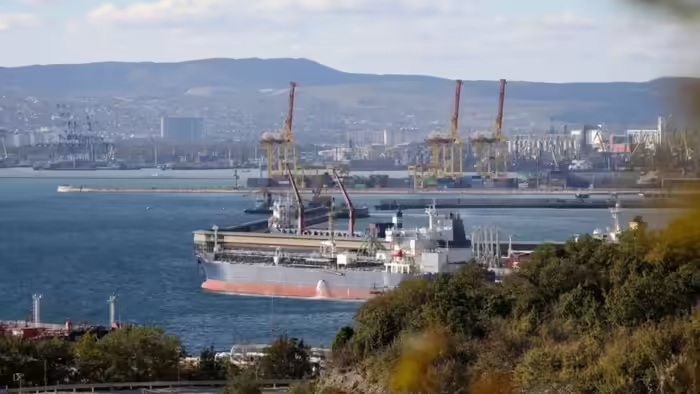

Kathmandu. Iran is preparing to charge certain tariffs on ships passing through the Strait of Hormuz, a key global corridor. This strategically important sea route carries trade with large parts of the world.
As a result, Iran can earn substantial revenue from ships passing through it. The proceeds will improve its domestic economy and help it continue its war against Israel and the United States. This alleged plan of Tehran has been revealed by an Iranian professor.



Foud Izadi, a professor at Tehran University, spoke to Drop Sight News about the situation in the country. “Iran was once weakened by sanctions and now its major cities are being heavily bombed,” Ezadi said. In this case, Iran is considering using Hormuz as a “weapon”. This includes retaliatory missile strikes. ’
According to Professor Izadi, the Iranian authorities are planning to impose a 10 percent toll on all ships passing through the Strait of Hormuz. This will earn the country about $ 73 billion annually. This will help Iran’s economy recover from the effects of US sanctions and compensate for the losses incurred in the current war. He called it a necessary and appropriate step for the present time.
Iran has been controlling Hormuz since the Israeli and US attacks on February 28. Only ships permitted by the Iranian military are passing through the sea. Countries are contacting the Iranian government and military to achieve this. Iran is putting some conditions on allowing the ships to leave. Now it’s going ahead and setting up a toll-like system.
The United States and Israel have targeted senior Iranian leaders in the current conflict. Most of Tehran’s top leaders, including Ali Khamenei and Ali Larijani, have been killed. “It has been presented as an attempt at regime change,” Izadi argues. This will further increase the difficulties for the US and Israel in Iran. ’
According to Izadi, targeting key figures inside Iran is definitely a change in the country’s leadership. “But this is not going to benefit Israel and the United States,” Izadi said. The talks will be as difficult as in the time of Ali Khamenei. —Agency