




Kathmandu. KATHMANDU: The government of Nepal has decided to open labour permits for countries deemed risky at a time when war is raging in the Middle East and the Gulf region. Issuing a notice, the Department of Foreign Employment said that the re-entry of labour permit has been resumed in conflict-ridden countries like Israel, Kuwait, Bahrain and Lebanon.
According to the decision of the Council of Ministers, Nepalis living in high-risk areas like Iraq will also be provided work permit. Earlier, the government had suspended individual and institutional labour permits in view of the dire situation of these sectors.



The situation in the Middle East is dire. Israel and Lebanon have been at war since the beginning of 2026. Israeli attacks have killed thousands and displaced millions in Lebanon. In Iraq and Yemen, clashes between armed groups and foreign powers have not stopped the rain of missiles from the air.
In such a situation, the rights activists argue that sending Nepali workers to these areas or encouraging them to stay in these areas is playing on their ‘right to live’.
The government does not have an answer as to why the new labour permit has not been opened even though the re-entry permit has been opened. Whether those who go to war-torn areas have taken a re-employment permit or have gone to the war zone for the first time, the missile launched on the battlefield does not leave the target.
Is it the government’s helplessness or compulsion?
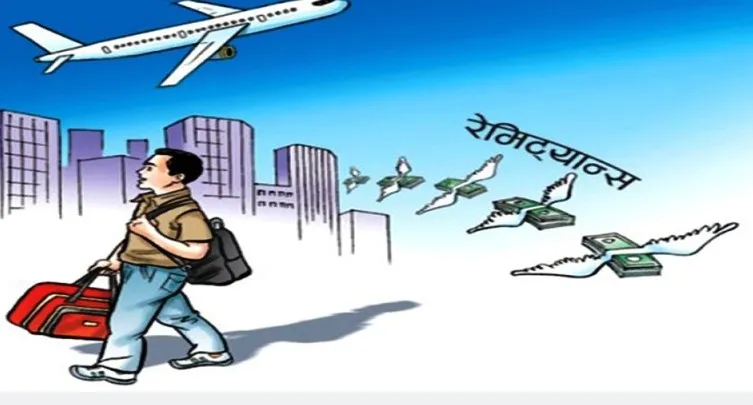
Critics say the government has second-class the lives of its citizens by prioritizing remittances that sustain the country’s economy. The government’s opening of labour permits without a “security guarantee” shows the irresponsibility of the state when there is no guarantee of what happens in the war-torn region.
“Our brothers and sisters are working on the battlefield. Pushing them into the brink of war by granting them labour permits instead of bringing them back safely is the government’s indifference to civilian lives,” said an immigration expert.
The government has been accused of taking the decision in haste due to financial greed and not improving the security situation.
The safety of millions of Nepalis in the Middle East is now a serious question. With no concrete plan on how to rescue them if the war escalates, there are fears that the government’s move could lead to more tragedy.