




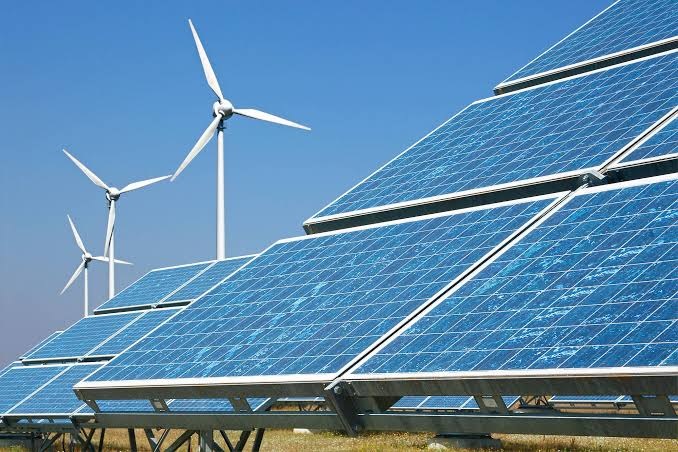

Kathmandu. Asia is driving a global energy transition. In 2025, global renewable capacity accounted for 74.2 percent of global renewable capacity, and installed renewable capacity will increase by 513.5 gigawatts (GW) to 2,000 GW, or 56.1 percent of global renewable capacity.
According to Willis’ Renewable Energy Market Review report published in June, the sector’s rapid expansion into solar, wind, hydropower, battery energy storage systems (BESS), hybrid installation, and floating solar power is increasing the risk challenges. According to a press release from WTW, the report found that there has been a shift from the need for insurance transactions in Asia to bankability, lender trust and strategic means of raising capital.



While the regional insurance market remains highly competitive, underwriters are becoming more selective as climate fluctuations, supply chain disruptions, grant changes, and evolving technologies shape project economics and risk transfer strategies.
Key trends to watch out for in Asia
- The rapid expansion into solar, onshore and offshore wind, hydropower, BESS, hybrid projects and floating solar is increasing the technical and operational challenges.
- Supply chain resilience remains a significant risk with geopolitical challenges. Stresses, trade policy interventions, logistical bottlenecks and supplier congestion are impacting construction schedules, project economics and insurance outcomes.
- The withdrawal of export-related VAT exemptions on solar products from April 2026, as well as the gradual removal of exemptions on battery products from 2026-2027, is pushing up the global price floor for solar and storage components.
- Changes in subsidies for Asia Pacific projects are increasing vulnerability to procurement risk, margin pressures, and delivery times. Start-ups are delaying exposure and focusing on the adequacy of compensation periods.
- Domestic Asian insurance companies are increasing participation in a big way. However, international reinsurance is still required for complex or disaster-prone projects.
The Asian renewable energy insurance market remains competitive and capacity has stabilized, especially for well-structured, utility-scale projects backed by proven technology, experienced sponsors, and strong governance.TAG_OPEN_li_22
“Solar, offshore and offshore wind, the expansion of hydropower, rapid scaling of BESS, hybrid installations, and increasing floating solar deployments have strengthened Asia’s role in global decarbonization,” said Sam Liu, head of renewable energy for Asia at WTW. For this reason, the renewable energy market in the region is growing at a rapid pace. But growth alone does not determine which projects will succeed.
As supply chains become more exposed to policy changes, delivery fluctuations and climate-related disruptions, sponsors and lenders should consider insurance as part of their project strategy from the start, Liu said. “As supply chains become more exposed to policy changes, delivery fluctuations and climate-related disruptions, sponsors and lenders should consider insurance as part of project strategies from the start,” he said. ’
These will be the projects that will achieve the best results in 2026. They demonstrate transparent data, robust technical design, reliable delay estimates, and a clear alignment between procurement, contracting, and risk transfer. –Agency