



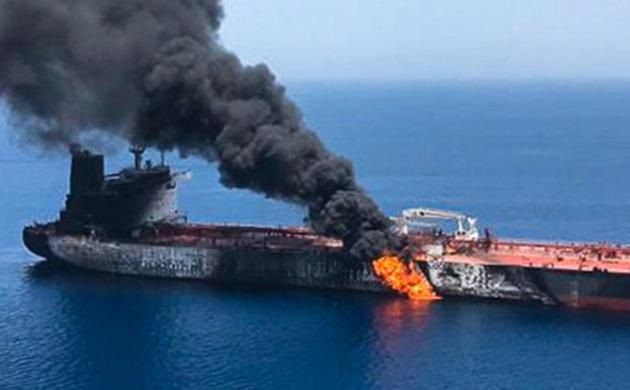

Kathmandu. The ongoing tensions around the Strait of Hormuz have created new uncertainty in the global energy market. However, its impact is not limited to the price of oil and gas. The marine insurance, cargo insurance, energy-related risk insurance and reinsurance sectors are all under pressure. It’s time for the insurance industry to reassess the risks needed.
The Strait of Hormuz is one of the main routes for international energy supply. Large quantities of crude oil and liquefied natural gas reach global markets through it.



Any obstruction or safety hazard in the strait will impede transportation traffic. As a result, marine insurance coverage needs to be reconsidered. When it is considered a risky area, the demand for war risk coverage increases exponentially and higher premiums are imposed.
Such uncertainty in marine insurance directly increases shipping costs and ships owners bear additional insurance costs. The terms in cargo insurance may be even stricter. Delays, re-routes or potential damages increase the risk of insurance claims. This requires increased caution in underwriting strategies.
LNG transportation is particularly sensitive. Risk assessment for these covers is more difficult due to the use of high value specialty vessels. Supply disruptions increase the likelihood of cargo delays and losses. It also affects the reinsurance market. Because a large amount of risk depends on reinsurance support. Prolonged geopolitical instability can raise reinsurance premiums and tighten conditions.
Uncertainty in energy supply can affect industrial production and trade activity. This is likely to increase claims in business interruption insurance and commercial cover. Rising import and export costs could put pressure on the cash flow of many companies. Credit insurance increases risk.
Volatility in financial markets is also a concern for insurance companies. Stock price fluctuations in the energy and transport sectors can affect investment portfolios. This increases both underwriting risk and investment risk.
At present, insurers need to be more careful with risk assessment, real-time data analysis, and ensure robust claims management. There is a tendency to reconsider cover limits, deductibles and conditions in high-risk areas. In addition, it is becoming increasingly important to increase risk awareness among clients and advise them on alternative options.
The crisis in the Strait of Hormuz illustrates how quickly geopolitical instability can affect the global insurance environment. Pressure on premium adjustment, cover restructuring and reinsurance capacity represents a strategic turning point for the industry. If this situation continues, it could lead to structural changes in the marine and energy insurance sectors.
So this crisis is not just a regional security issue, it’s a real risk test for the global insurance industry. Now is the time to take a strong and forward-thinking approach to risk management. – Insurance News BD