





Kathmandu. A major structural change is evident in the global insurance and financial sector. Massive capital inflows from hedge funds and institutional investors are rapidly expanding the insurance-linked securities (ILS) market. This is driving strong growth in the catastrophe bond market. It is reshaping the traditional reinsurance system.
The global ILS market is expected to reach a total capacity of about $136 billion by 2025, according to data from international professional services firm Aon Plc. This is about 18 percent more than the previous year. According to analysts, investor interest in the sector is growing rapidly due to its high potential profitability and low linkages with traditional stock and bond markets.



CAT bonds are essentially a financial instrument. This allows insurance companies to transfer the risk of major natural disasters such as cyclones, earthquakes or wildfires to capital markets. Investors receive premium income in return. If a major calamity does not occur within a specified period, they make substantial profits. However, if a disaster occurs, they risk losing some or all of their capital.
John Sioka, co-founder of Fermat Capital Management, about the rapid growth of the ILS market, has said that the speed of release in this market is truly astounding. “The number of new issuers reached a record in 2025 and this growth is expected to continue into 2026,” he said. ’
According to experts, this huge inflow of capital from other sources is changing the landscape of the reinsurance sector. In the past, the sector was largely dependent on large reinsurance companies. Insurance companies are now having direct access to capital markets to simplify risk management and ensure proper use of capital.
In addition to cat bonds, investment structures called “sidecars” are also becoming increasingly popular. This arrangement allows third-party investors to participate in the underwriting of risk and profit directly, creating new investment opportunities and making the market more dynamic.
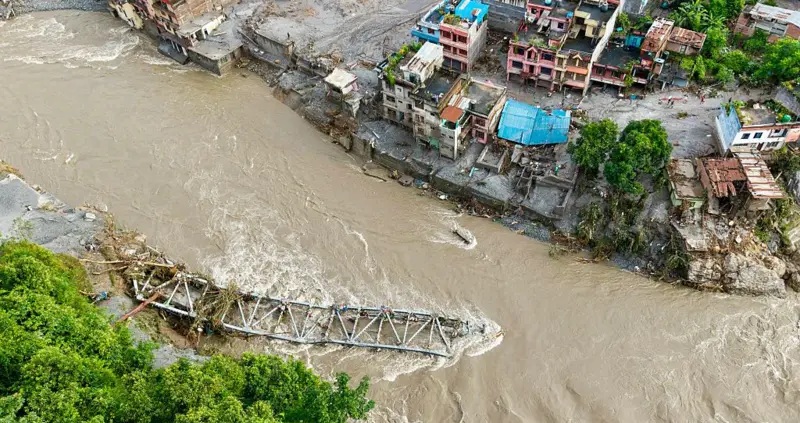
Meanwhile, the scope of risk has also expanded. Minor and medium-sized natural disasters, previously considered major disasters, are becoming more prominent, such as severe storms, floods, and wildfires. The number of these incidents and the extent of damage have increased in recent years. This has increased the interest of investors.
However, this growth also comes with some risks. Experts warn that the nature and severity of disasters are becoming uncertain due to climate change. In addition, the models used to estimate risk may not always be accurate. As a result, investors can incur significant losses in the event of a major unforeseen event.
Despite this, market participants believe that this increased participation in the capital market is opening up new avenues for risk management. It is increasing market liquidity, diversifying investments and enabling more effective risk allocation. As a result, analysts believe that the reinsurance sector is gradually moving towards a more dynamic and market-driven structure.