





Kathmandu. KATHMANDU: As Nepal’s insurance business is expanding day by day and the use of new technology is increasing, the Insurance Authority of Nepal (NIA) has emphasized on structural reforms by enhancing its regulatory capacity. According to the details mentioned in the 58th anniversary special issue of NEA, multidimensional reform plans have been put forward to make the insurance sector safe, reliable and transparent in the changing context.
The authority will strictly enforce risk-based supervision and risk-based capital exercise to make its regulation and supervision work effective. It has pledged to prepare and make public the financial statements of the insurers on time. It has also warned of further tightening the provisions of penalty, punishment and action against insurers violating the existing provisions as per the Insurance Act, 2079.



The company plans to make the insurance claim payment fast, quick and easy and also to establish a separate help desk or unit for resolving customer complaints. It is stated in the report that an ‘Insurance Development Fund’ would be established to provide insurance to the poor and an ‘Insured Interest Protection Fund’ would be established and properly utilized for the benefit of the insured. Although the NRA has been discussing both these funds for a long time, there is no progress on the implementation side.
The authority has a plan to integrate the insurance process, claim payment, complaint and complaint process into the digital system. A regulatory alert system for effective coordination with insurers, a knowledge management system for capacity building of employees and an insurance information center will be set up for risk reduction related to insurance. Although the NRA has been discussing the issue of establishing the information center for a long time, it has not been able to implement it.
Public awareness programs will be conducted to increase the access of insurance in rural and remote areas and the language of insurance policy will be further simplified. New policies will be prepared as per the needs of the insured, giving priority to climate change and disaster risk management.
The policy has been adopted to reduce the risk by insuring government property and public infrastructure, to make the agriculture insurance more effective and to give more emphasis on the expansion of micro insurance for the low-income groups. In addition, the report has proposed effective training and expansion of international relations to enhance the efficiency of the employees of the insurance sector.
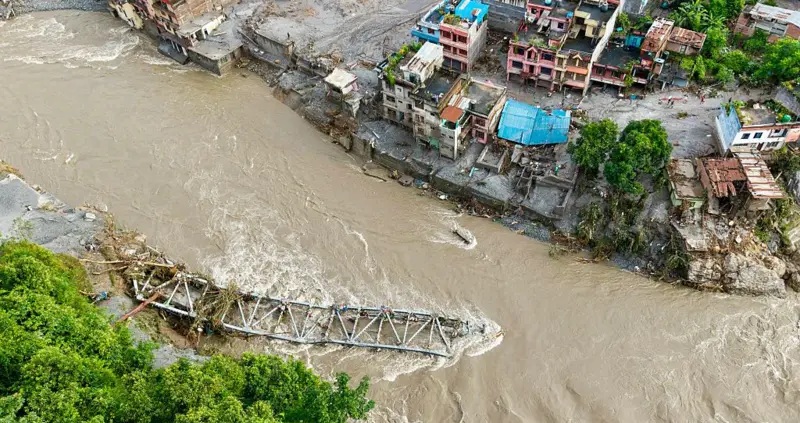
The economic loss due to climate change and the resultant natural disasters is increasing every year. In such a situation, the biggest challenge at present is to protect the general public, poor class and property of the country by bringing them under the ambit of insurance. At the same time, managing the increasing number of claims, paying claims on time, and strengthening the financial health of insurance companies is another major challenge for the regulator.