




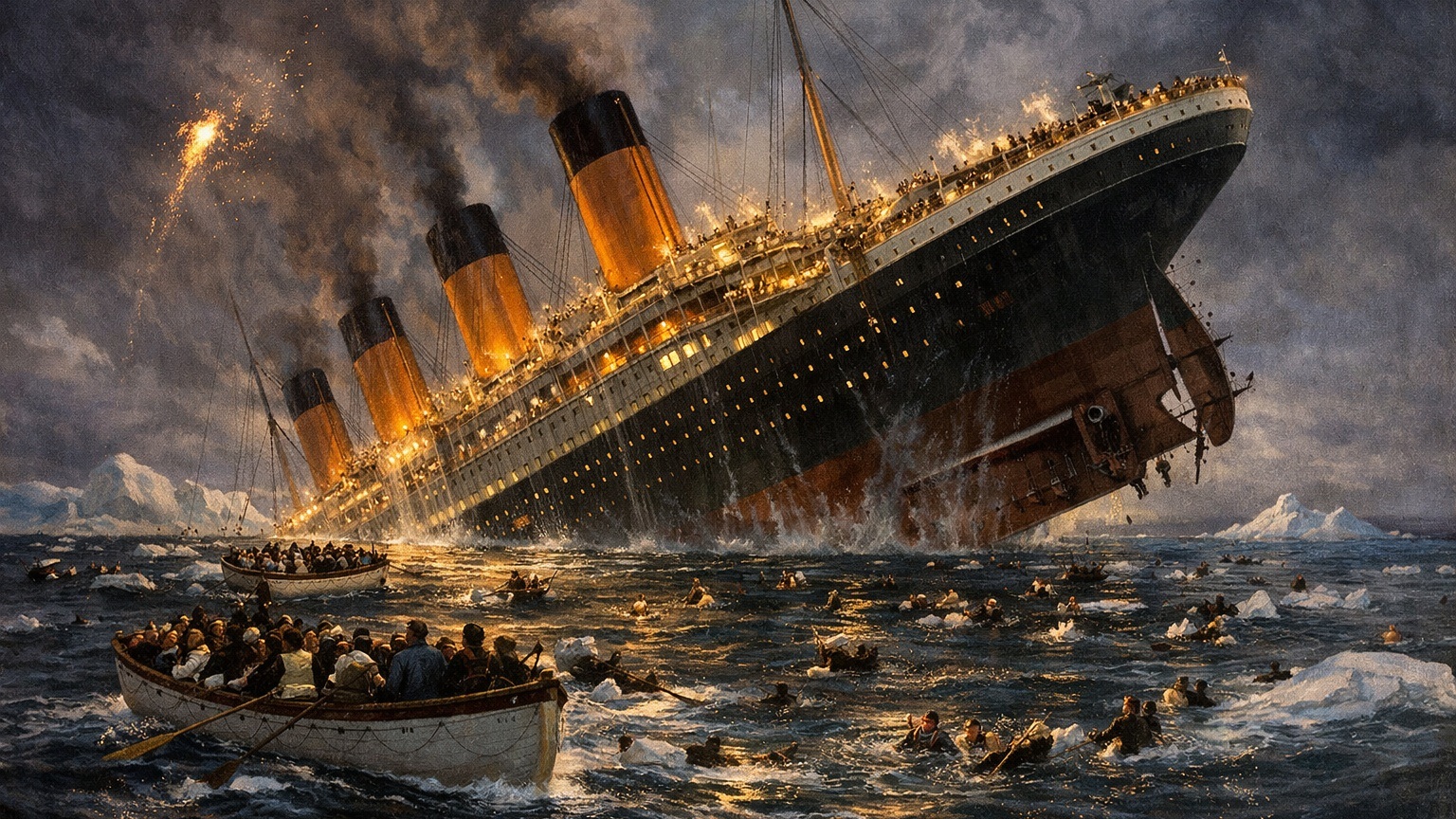

Kathmandu. The sinking of the RMS Titanic in April 1912 is one of the worst maritime disasters in history. However, the accident is considered not only a human catastrophe but also a major milestone for the global insurance industry. More than a century later, Lloyds of London’s quick handling of claims is still considered a shining example of efficiency and stability in the insurance sector.
White Star Line, the owner of the Titanic, insured the ship’s hull and machinery for £1 million. This was a large sum of money for the time. In January 1912 Willis Faber & Co. arranged for the insurance cover and distributed it to various syndicates within Lloyds. Each underwriter assumed a risk of £10,000 to £75,000.



This syndication approach removes the risk of significant losses for any single entity. Rather, the entire market can collectively bear losses because the risk is shared. This model is used today as the foundational foundation of modern insurance and reinsurance systems.
The premium for the Titanic and its sister ship, the Olympic, was set at around £7,500 per ship. This relatively low premium reflected the technological advances of the time and the belief in shipbuilding.
The Titanic sank on April 15, 1912, after hitting an iceberg. More than 1,500 people were killed. It was considered one of the largest marine insurance claims of its time. According to historical records, Lloyd’s underwriters paid off the entire £1 million insurance claim in about 30 days.
This quick payout demonstrated the liquidity, systematic structure, and effective management of the insurance market. This increased confidence in Lloyd’s among customers and merchants. However, according to analysts, this single loss represented a significant portion of the total marine insurance claims in 1912.
The Titanic cost about $75 million to build and a portion of the ship was underinsured. This meant insurance coverage was less than its actual value.
In addition to the aircraft insurance, claims were also made for cargo damage, passenger personal property and life insurance. According to reports, after the death of an American businessman, his family received a life insurance claim of about $50,000. Which is considered to be one of the largest personal claims at that time.
On the other hand, the families of the accident victims claimed a total of more than $16 million in damages against the White Star Line. However, due to the limitations of maritime law, this claim could not be paid in full. After a long legal process, a settlement was reached in 1916 for about $66.4 million. This was much less than the amount claimed.
According to analysts, the Titanic incident not only demonstrated the efficacy of risk sharing but also exposed the limitations of safety standards, underwriting concepts, and liability structures. This gap between the speedy settlement of insurance claims and the protracted legal battles faced by affected families paved the way for necessary reforms in insurance and maritime law.
This incident played an important role in moving the modern insurance industry towards a strong, transparent and accountable structure. – Agency