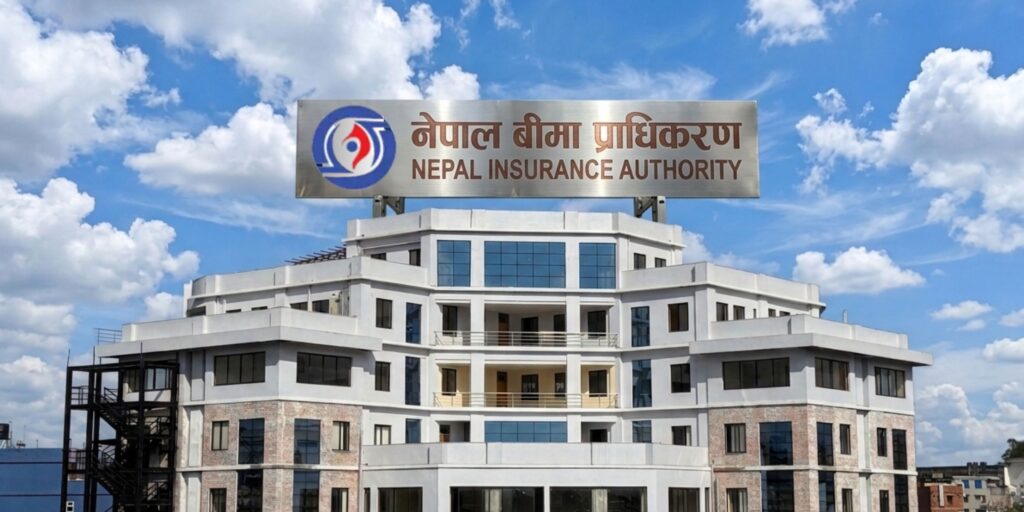






Kathmandu. The Insurance Authority of Nepal has conducted a program on ‘Dimensionation of NRA and SRA Fundings’ with the aim of publishing key findings from the National Risk Assessment (NRA) and sectoral risk assessments (SRA) in the insurance sector.
The event held at the central office in Kupandol, Lalitpur, Lalitpur, was attended as the chief guest, Pushkar Sapkota, Secretary of the Office of the Prime Minister and Cabinet. Guests included Devraj Joshi, Joint Secretary of the Economic Policy and Analysis Division of the Ministry of Finance; Nirmal Dhakal, Director General of the Asset Laundering Research Department; and Vasudev Bhattarai, Head of the Financial Information Unit (FIU).


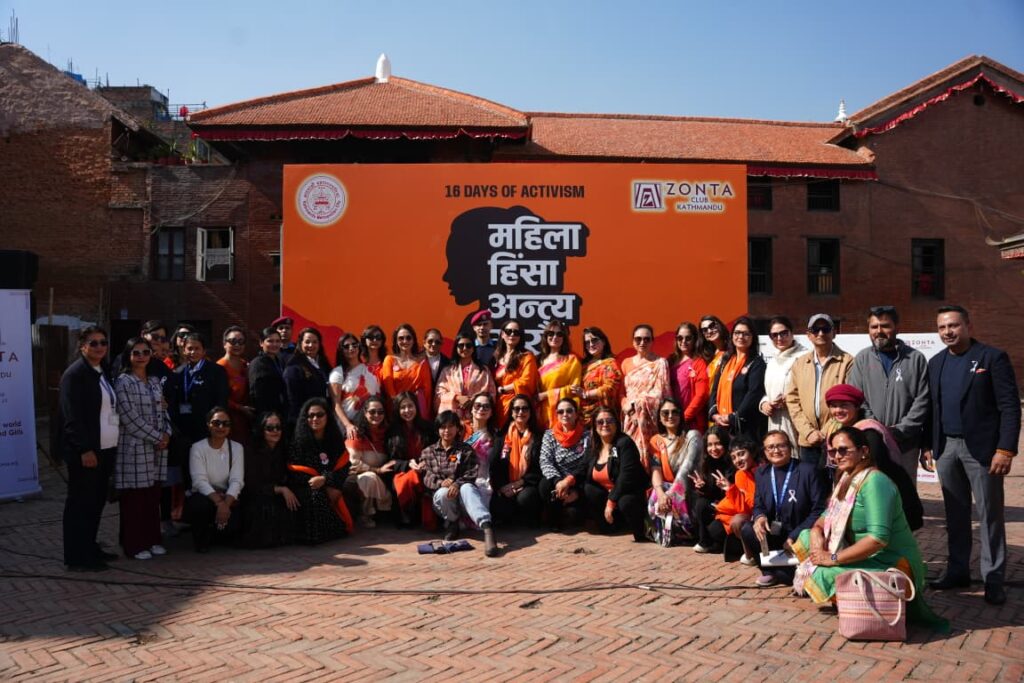
The program included participation from the coordinator (operator) of the Insurer’s Asset Laundering Prevention Subcommittee, the Chief Executive Officer, and management staff of the Nepal Insurance Authority.
Sushildev Subedi, Executive Director of Nepal Insurance Authority, inaugurated the program and delivered the welcome address, emphasizing the importance of communicating the findings of the National Risk Assessment 2083 to stakeholders and indicator organizations, linking asset laundering prevention not only to the compliance branch but also with institutional good governance and reputation.
During the presentation session, the Authority’s Deputy Director, Padma Prasad Sodari, presented the key findings of the Insurance Sector Risk Assessment (SRA). The presentation noted that according to the insurance sector’s SRA, the risk of asset laundering in the insurance sector is moderate (0.48), and although there are sufficient legal provisions to mitigate the mentioned risks, there are weaknesses in implementation.
Additionally, it was emphasized that the board of directors and senior management should approve institutional risk assessments in accordance with national and sectoral risk assessments (NRA/SRA), establish independent and resourceful AML departments, and regularly monitor risks.
Similarly, AML expert and Nepal Rastra Bank Director Harikumar Nepal gave a detailed presentation on the main findings of the National Risk Assessment (NIR). The presentation noted that the insurance sector is at moderate risk and that the insurance sector is at high medium risk and that the insurance sector can be used as a legal vehicle.
Similarly, Kamal Paudel, representative of the Financial Information Unit (FIU–Nepal), clarified issues such as reports through the GOAML system, STRs, TTRs, and more.
The panelists for the Q&A and interactive sessions of the program included Harikumar Nepal, Director of Nepal Rastra Bank; Basudev Bhattarai, Head of the Financial Information Unit; Nirmal Dhakal, Director General of the Asset Laundering Investigation Department; and Sushildev Subedi, Executive Director of the Authority, while Padma Prasad Sodari, Deputy Director of the Authority, served as the moderator.
During the conclusions and discussions presented at the event, it was emphasized that although the overall risk in the insurance sector remains moderate, special caution is needed regarding the risks highlighted in single insurance charges, advance payments, limited-term payments, and term life insurance. Discussions were held on the need to further strengthen the identification of the customer’s genuine wealthy and high-ranking individuals, risk-based customer identification and continuous monitoring, effective internal controls, quality suspicious transaction reporting, and the effective implementation of regulatory directives.
At the event, Basudev Bhattarai, head of the Financial Information Unit, noted that Nepal’s third national risk assessment showed an overall risk of money laundering as moderate to high and that coordination and cooperation among all stakeholders are necessary to get off the grey list. Nirmal Dhakal, Director General of the Asset Laundering Research Department, said that after identifying sectoral risks from the NRA/SRA, emphasis should be placed on their implementation to make corporate governance more effective.
Deputy Secretary of the Ministry of Finance, Devaraj Joshi, emphasized the effective role of regulatory bodies in reducing risks related to asset laundering, the accountability of insurance company boards and senior management, and the need to strengthen the system for supervision, monitoring, and maintenance based on risk. Additionally, the chief guest of the program and Secretary of the Office of the Prime Minister and Cabinet and Chair of the Coordination Committee, Pushkar Sapkota, emphasized that the action plan set by January 2027 must be effectively implemented to exit Nepal FATF from the over-monitoring list, emphasizing the need for effective interagency coordination, information exchange, and joint inspection, given that the National Risk Assessment 2083 shows the overall risk of asset laundering as moderate to high.
Concluding the program, Rajan Vikram Thapa, Chairman of the Insurance Authority, directed the insurance sector to update institutional risk assessments, provide implementation officers with the necessary independence and resources, enhance staff capacity, and implement action plans to effectively identify genuine holders and implement quality STR systems. He emphasized that compliance should be developed not merely as a regulatory obligation but as an institutional culture.