




Kathmandu. Although the country’s economic and financial indicators remain positive, inflation continues to rise.
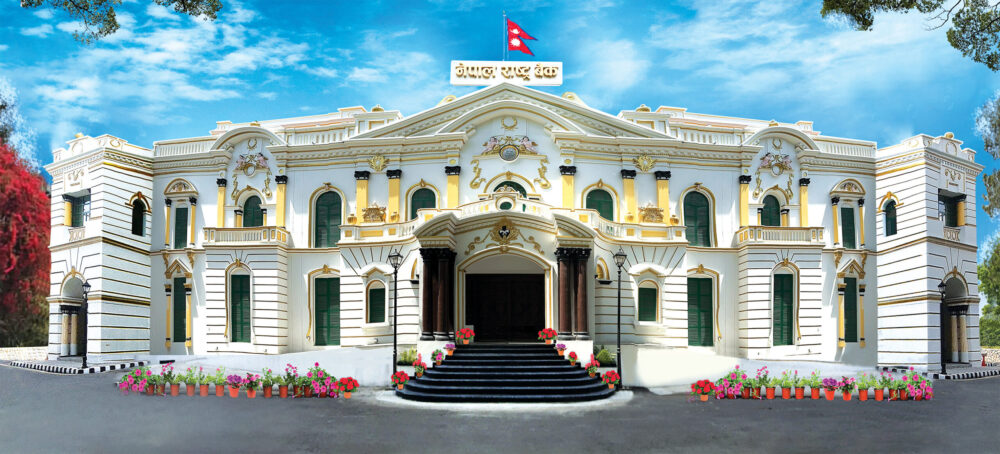
Nepal Rastra Bank released today for the current financial year 2083. The current economic and financial situation report of the country up to the first quarter (Saun-Asoj) shows this. In the month of 2083 Ashoj, the annual pointal consumer inflation was 6.37 percent. In the same month of the previous year, this inflation was 1.47 percent.



Similarly, in the three months of the current financial year, total merchandise exports increased by 57.0 percent to Rs. 114.29 billion. During the same period last year, such exports had increased by 89.6 percent.
By the end of the current fiscal year, total goods imports had increased by 38.2 percent to Rs. 646.78 billion. During the same period last year, such imports had increased by 19.8 percent.
By the review period, the total merchandise trade deficit increased by 34.7 percent to Rs. 532.49 billion. During the same period last year, this deficit had increased by 12.2 percent.
In the three months of the current financial year, remittances increased by 27.2 percent to Rs. 703.70 billion. During the same period last year, remittance inflows had increased by 35.4 percent. In the month of Ashwin 2083, remittance inflows amounted to Rs. 267.34 billion. In the same month of the previous year, remittance inflows were Rs. 201.22 billion.
During the review period, the current account was in savings at Rs. 279.11 billion. During the same period last year, the current account was Rs. 2.38 billion in savings.
During the review period, the non-payment position was Rs. 3.3 trillion.79 billion in savings. During the same period last year, the non-payment position was Rs. 264.3 billion in savings.
At the end of Asar 2083, Rs. The total foreign exchange reserves, equivalent to Rs. 38.97 billion 67 crore, increased by 6.8 percent to Rs. 41.61 billion at the end of Asar 2083. In US dollars, such reserves increased by 8.2 percent to Rs. 27.39 billion by the end of Asar 2083.
Based on imports up to three months of the current fiscal year, the banking sector’s foreign exchange reserves are expected to be sufficient to support 19.9 months of goods imports and 17.2 months of goods and services imports.
Similarly, the Nepalese government’s expenditure was Rs. 3.96.27 billion, and revenue operations were Rs. 2.98.61 billion. The detailed money supply increased by 4.4 percent. On an annual point-to-year basis, this money supply increased by 14.8 percent.
During the review period, deposits by banks and financial institutions increased by 2.8 percent, while loans flowing into the private sector rose by 3.1 percent.
On an annual point basis, the growth rate of deposits is 13.7 percent, and the growth rate of loans in the private sector is 8.3 percent. The weighted average interbank rate between banks and financial institutions is 2.75 percent, and the weighted average interest rate for Treasury bills with a 91-day term is 1.01 percent.
The weighted average interest rate on deposits of commercial banks is 3.07 percent, and the weighted average interest rate on loans is 6.31 percent.