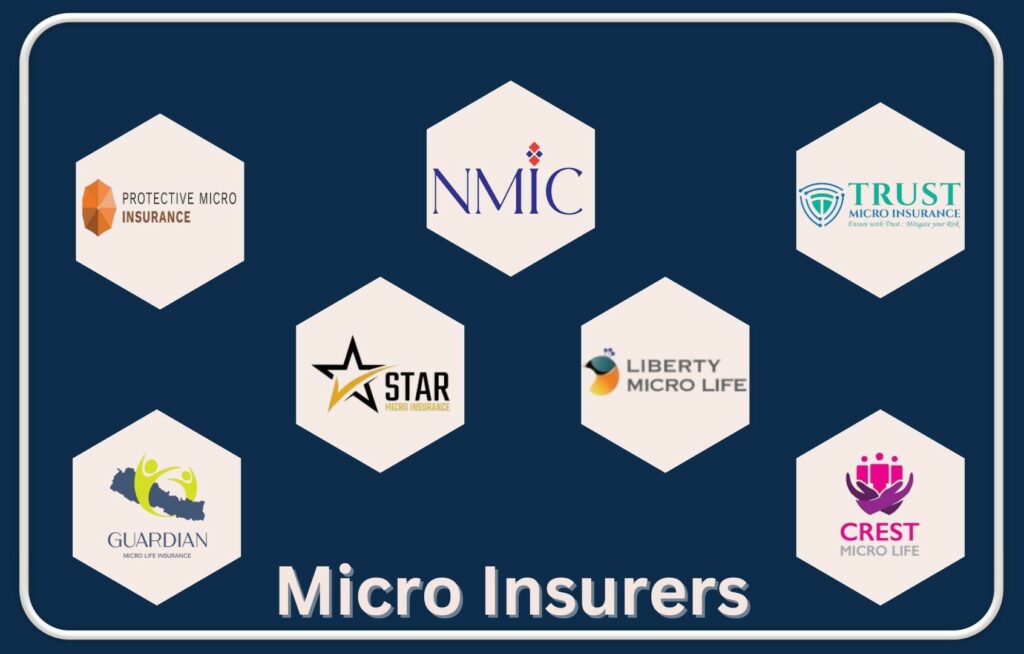




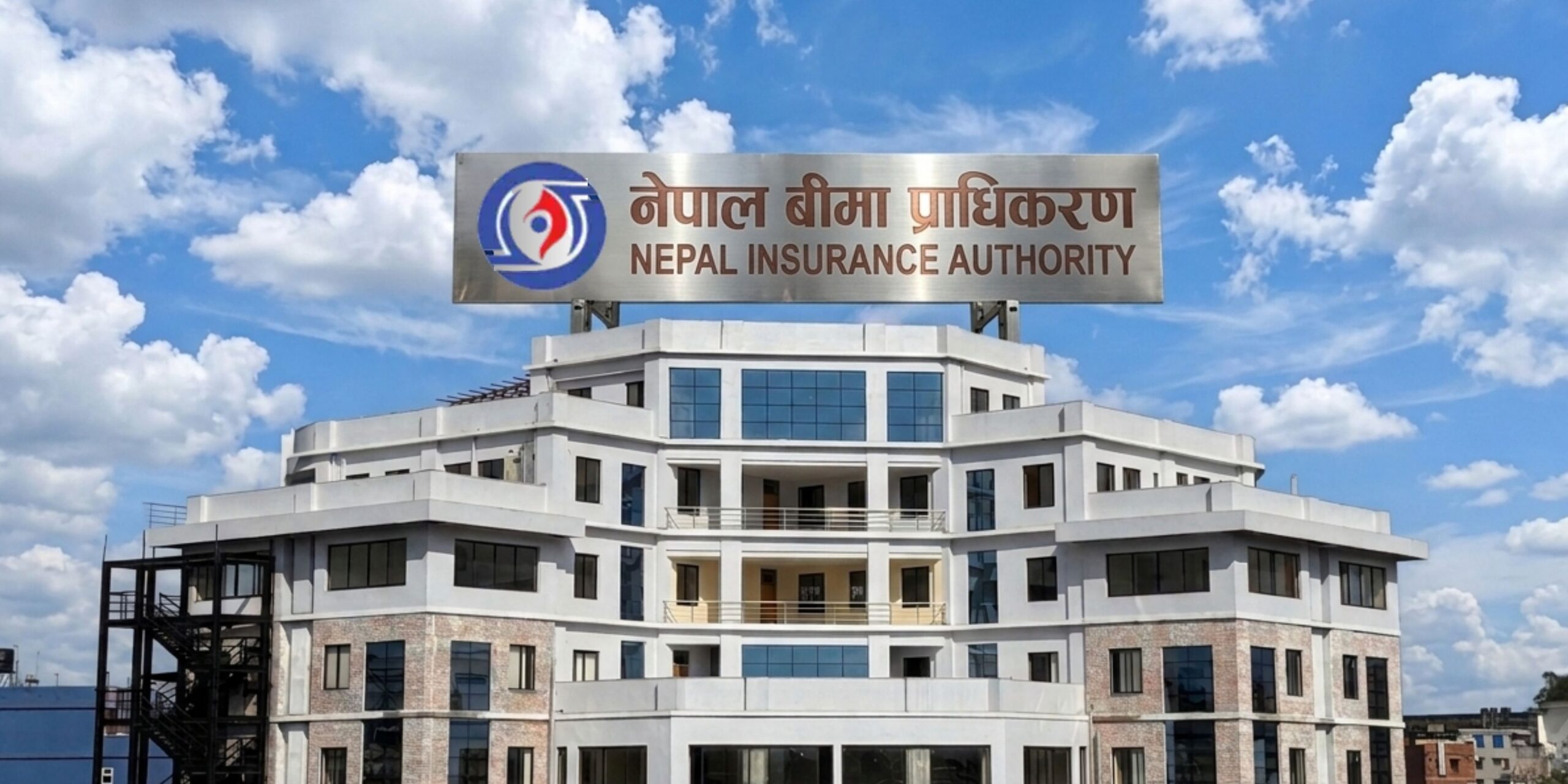

Kathmandu. Nepal Insurance Authority (NEA) has given birth to 7 micro-insurance companies with the conclusion that traditional insurers have failed to include the poorest, poor and backward groups under the ambit of insurance coverage. Of them, 4 are non-life and the rest are life insured.
The NEA has been striving at the spirit of the strategic objective with which it had tried to establish the need and justification of micro insurers from the very beginning.



The business of small non-life insurers is focused on mandatory third-party liability insurance linked to luxury automobiles (82 per cent). The business of small life insurers is focused on compulsory insurance for securing credit (96.77 per cent).
The business of non-life micro insurers is focused only on the third party insurance of motor vehicles, which is considered a luxury in the government’s definition. Non-life micro insurers account for 82 percent of the total sales of insurance, automobiles, and third-party insurance. As per the provision of the Motor Vehicles and Transport Act, 2049, third party liability insurance is mandatory and they have acquired this business without any effort.
According to the report published by the Insurance Authority of Nepal (IBA), the concentration of a large portion of the total business in a single portfolio is a worrisome scenario for micro insurance and portfolio diversification. This highlights the fact that despite the high sales of motor third-party insurance policies due to mandatory legal provisions, the basic risks of the poor and low-income groups, who are considered the real target group of micro insurance, are still not adequately addressed. ’
FY 2082. In the first eight months of ’83, out of the total number of insurance policies under the short life insurance category, the share of temporary life insurance is 96.77 percent. Notable among these is the share of business received through compulsory insurance of borrowers of banks, financial institutions, microfinance institutions, cooperatives, self-help groups, small farmers’ groups.
No presence in rural areas
}
Most of the micro insurers have given priority to expanding their branches in economically rich provinces like Bagmati, Lumbini and Koshi. Star Micro Insurance has 11 branches in Madhes Province alone.
Nepal Maiko Insurance has not yet opened a branch in Karnali Province. This shows that the presence of the company should be there to expand the access of insurance to the low-income and rural citizens according to the main spirit of micro insurance, but it is more focused on the comparatively accessible and economically prosperous provinces.
The report states, “In the coming days, the regulatory body will have to adopt more interventionist policies to open branches in geographically remote areas as well as financial access such as Karnali and Sudurpaschim.” ’