





Kathmandu. The likelihood of a major El Niño developing in the equatorial Pacific has increased significantly. Forecasters expect an 82 per cent chance between May and July and a 96 per cent chance of continuing through the winter of the Northern Hemisphere in 2026-27.
The U.S. Climate Prediction Center further estimates that there is about a two-thirds chance that the event will peak or increase rapidly. This is forcing insurance companies and reinsurers around the world to reassess their risks across property, agricultural, marine and specialty lines. This is because extreme weather conditions threaten to increase insurance claims and change risk pricing.



This changing climate is already taking place against the backdrop of rising global warming. This is raising concerns within the insurance industry. Warming of sea surface temperatures, weakening trade winds, and disturbances in land surface temperatures are accelerating this change.
Experts are warning of impacts that could be comparable to or greater than what happened in 2015-16. As El Niño teleconnections increase the risk of accumulated damage that can simultaneously create tension in remote areas, challenging diversification ideas, underwriters are now examining disaster models more closely.
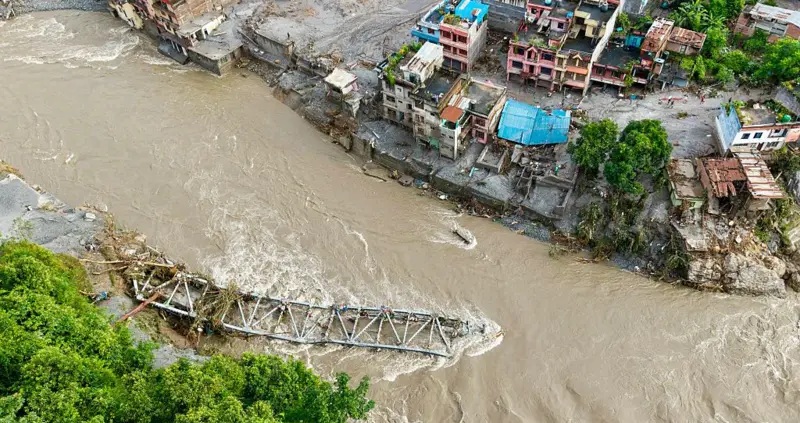
This pattern for property and casualty risk typically suppresses Atlantic hurricane activity through increased wind speeds. That would provide some relief to heavily insured coastal markets in the U.S., the Caribbean and the Gulf of Mexico. However, this gain has been offset by increased risks elsewhere. That includes increased tropical cyclone activity in the eastern Pacific, which could affect Mexico, Central America and Hawaii, as well as increased rainfall in parts of the southern and southwestern U.S. Which can increase inland flooding. Insurance companies are especially vigilant in flood-affected areas such as Florida, California, Texas and the Southeast.
Analysts warn that increased rainfall and the risk of storms could widen the existing coverage gap. According to them, reinsurance can increase costs and increase premiums in risky areas or reduce capacity.
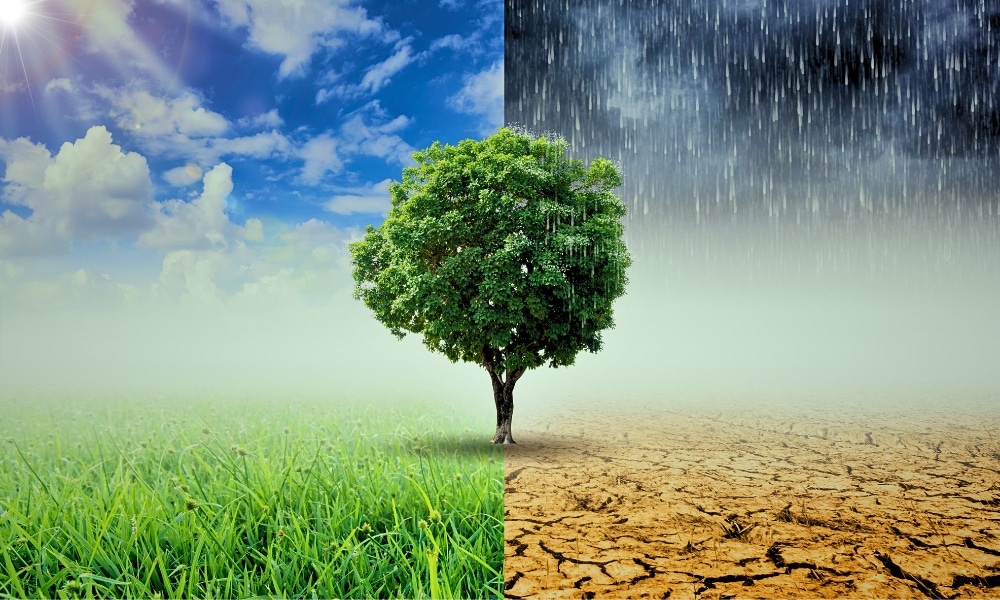
Agricultural insurance can withstand the most direct pressure. Drought conditions and weak monsoons in parts of Southeast Asia, Australia, India and South Africa could reduce yields on essential crops such as rice, wheat, cocoa, coffee and palm oil. Whereas in the eastern Pacific and South America, flooding threatens crops and infrastructure. These changes increase the likelihood of a large number of insurance claims under crop insurance and parametric products. That could reduce global commodity supply and increase food price volatility. This indirectly affects trade barriers and supply chain policies.
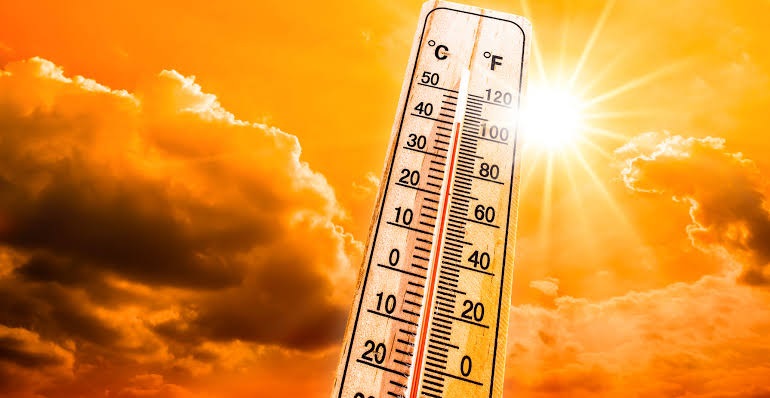
Reinsurance companies are closely monitoring these interconnected agricultural and weather risks while managing already increased natural disaster budgets. This is because simultaneous events on several continents can test the overall frontier and capital reserves. It also has a significant impact on insurance cover related to wildfires, droughts and heat. This increases the risk of fires in arid regions and increases the demand for parametric solutions that provide faster payments based on indexed triggers rather than traditional damage adjustments.
According to industry experts, a strong El Niño could encourage a repricing of disaster risk, impact renewal and greater adoption of resilience measures, and climate-related underwriting adjustments. In the first quarter of 2026, insured catastrophe damage was very low. But if the damage projected for the second half of the year and into 2027 is significantly higher, the situation could be reversed, especially on top of the challenges posed by climate change. – Agency