




Kathmandu. KATHMANDU: The Central Investigation Bureau (CIB) of Nepal Police has resumed its activism to break the web of fake rescue that has been entangled in Nepal’s mountainous tourism sector for long. The inner workings of this business have come to the fore after the arrest of the operators of various rescue agencies on the charge of defrauding foreign insurance companies of millions of dollars.
What is emergency rescue?



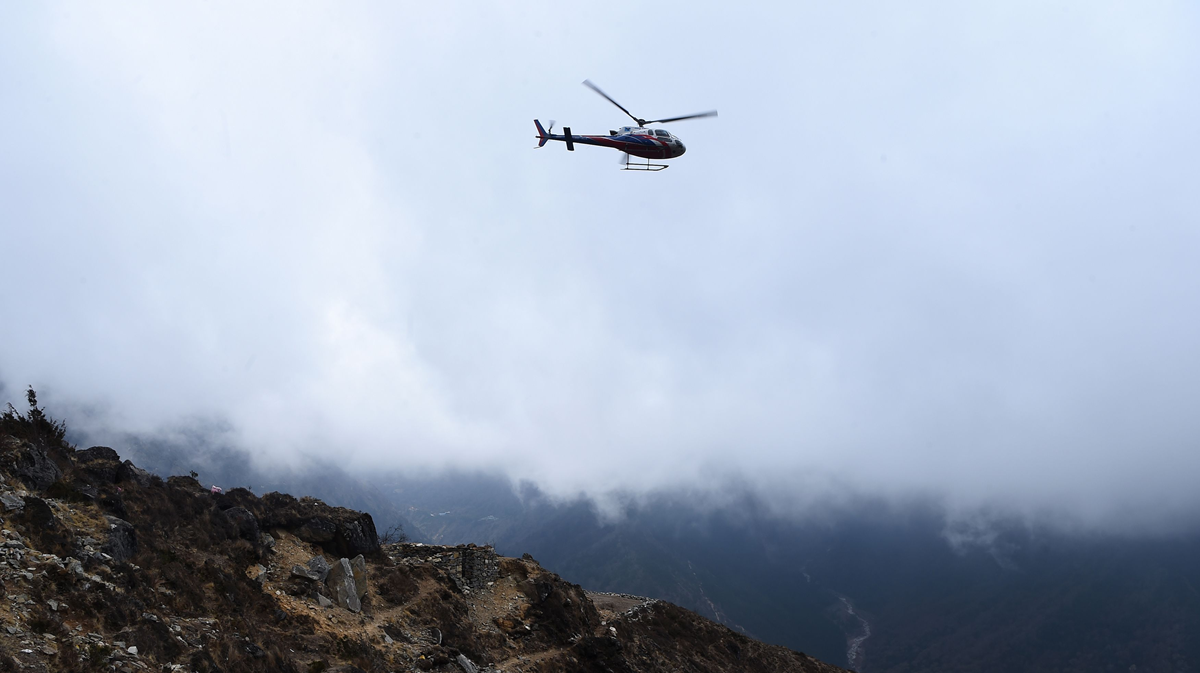
Helicopters are used to immediately take tourists to low-lying areas or hospitals in case of altitude sickness, injury or other health problems while trekking or mountaineering in mountainous areas. This is called emergency rescue. This service is considered a lifesaver as there is no road facility in remote areas.
How does insurance work?
Foreign tourists have to get travel insurance before coming to Nepal. This includes mountain rescue and expensive hospital expenses. If rescue is needed, the trekking guide or agency informs the insurance company.
After the insurance company’s permission or guarantee of payment, a helicopter is immediately sent to rescue the climber. After the rescue, the insurance company pays directly to the service provider on the basis of the hospital report and the helicopter bill.
How is a fraud trap?
According to the CIB’s investigation, a large organized gang is active in this fraud. In which trekking agencies and guides scare tourists that even if they have a minor headache, they are at risk, they should not call a helicopter. In some cases, inhumane acts are carried out to make tourists sick by mixing inedible items in their food.
Even if 4 to 5 tourists are brought in a single flight, the helicopter company issues a separate bill to each tourist’s insurance company, claiming that emergency rescue has been done. A $3,000 flight is billed up to $10,000. Fake documents are made that even ordinary patients need ICU or special treatment. A hefty amount of money is billed by pretending to be hospitalized for weeks.
Some foreign agents arrange the insurance claim process and charge a huge commission.
How is the money game?
This is pure insurance fraud. For example, if the actual cost is Rs 42,500, a fake invoice is prepared to claim an insurance of Rs 4,15,000. The remaining Rs 4,12,500 will be shared between agencies, guides, helicopters and hospitals.
According to the CIB, the three arrested companies — Mountain Rescue Service, Nepal Charter Service and Everest Experience and Assistance — have made suspicious claims of more than Rs 2.4 billion in the last two years.
The damage caused by this fraud is not limited to money fraud, it has also bowed Nepal’s head. International insurance companies have placed Nepal in a high-risk zone. Some have stopped insuring tourists coming to Nepal while some have increased the insurance premium.
Honest tourism entrepreneurs have been hit hard as the message of fraud is spreading all over the world. The CIB has concluded that the misappropriation of foreign currency in an organized manner and tarnishing the image of the state has damaged Nepal’s sovereign prestige.
The CIB is probing it under Organised Crime and Treason against the State. It is too late for the regulators of the insurance sector and the government to make the rescue process transparent and to set up a mechanism to conduct rescue only through the Central Coordination Center and to strictly monitor the billing.