



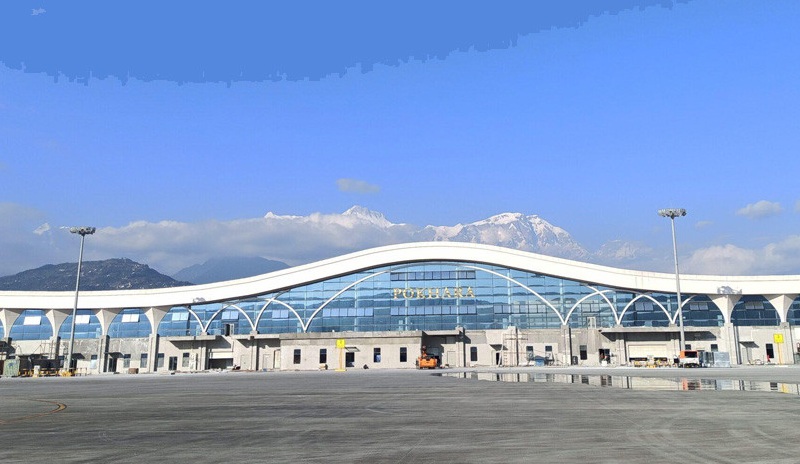

Kathmandu. A study report on climate change of Gandaki Province has concluded that the risk of natural disasters has increased rapidly in the state due to both natural and human reasons.
The Environmental Status Report of Gandaki Province recently released by the Gandaki Province Policy and Planning Commission with the technical support of the United Nations Development Agency (UNDP) has opened the door to new interests, challenges and huge market opportunities for the insurance sector, policy makers, reinsurance companies and insurers.


The environmental damage, natural hazards and demographic changes pointed out in the report paint a grim picture of the environmental and economic crises that the region could face in the future.
Micro Insurance and Weather Index Insurance Requirements:
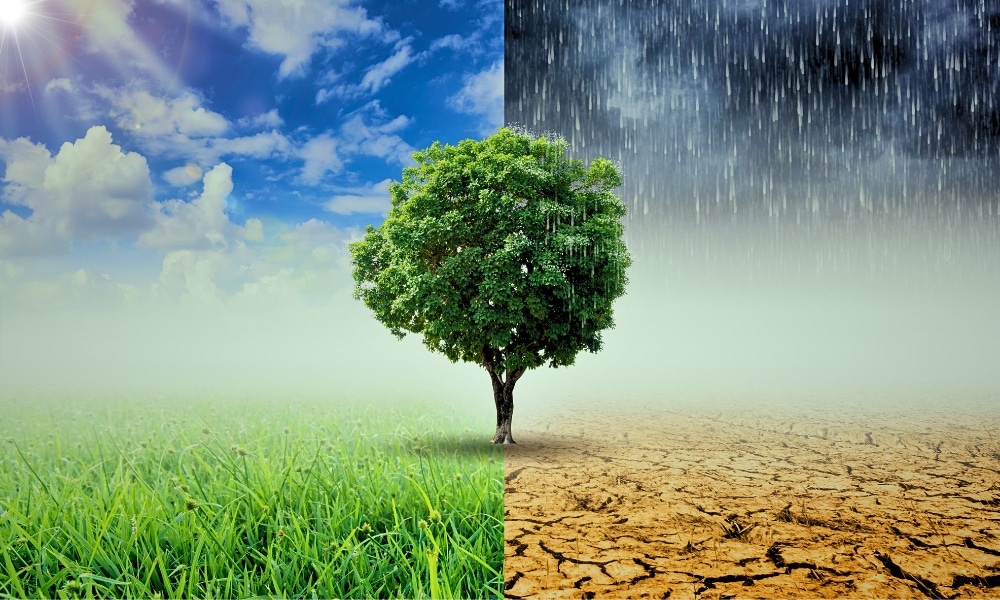
According to the report, more than 50 percent of the economically active population of Gandaki Province is still dependent on agriculture, forestry and fisheries. However, lack of timely rains, unnatural drought, unseasonal rains and intense soil erosion have disrupted the agriculture sector.
The increasing risk to traditional crops and livestock has threatened the livelihood of farmers. This has increased the demand and need for agricultural insurance based on weather index and micro insurance targeting small farmers in the state.
Interest in property and casualty insurance:
The report shows that rapid temperature rise in the Himalayan region (up to 0.072 degrees Celsius per year) has increased the risk of glacial melting, avalanches and glacial lakes that could burst.
The Annapurna and Manaslu trekking routes, hotels and adventure tourism in Pokhara have added environmental risks to rafting and paragliding. This has created a new need to rethink the coverage and risk assessment of tourist accident insurance, trekking rescue insurance and property insurance of tourism infrastructure.
Increasing rate of major damage to public infrastructure
}
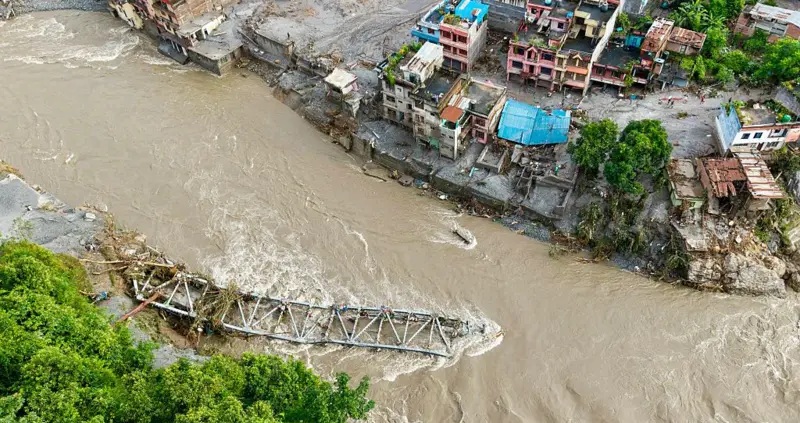
Dozens of hydropower projects are under construction and in operation in Gandaki Province which accounts for more than 1089 MW of the country’s hydropower production. Poor topography, mudslides, landslides and floods frequently cause damage to hydropower projects and rural road infrastructure.
While the hydropower and infrastructure sectors are major sources of premium collection for insurers, the hefty compensation claims due to environmental risks have put pressure on risk assessments to be more scientific and transparent.
Health Insurance Extension:
According to the report, the annual population growth rate of Gandaki Province is limited to 0.25 percent, which is the lowest in the country. Men and youths are migrating from rural areas due to foreign employment. As a result, the number of elderly, women and children in the village is high.
The exodus of youths and remittances from foreign employment have increased the purchasing power of the family. There is a great possibility for the local government and insurance companies to expand integrated health insurance and life insurance schemes at the provincial level for the health protection of the elderly in the villages.
This joint report of the UNDP and the provincial government provides clear guidance for the insurance sector to become a partner in climate risk reduction and preparedness, not just a means of providing post-damage relief and payment.
If innovative insurance products can be introduced in the areas of environmental sensitivity in Gandaki Province using accurate data of environmental risks, it will broaden the scope of the insurance market on the one hand and provide financial security to the citizens and infrastructure in times of disaster on the other.