





Kathmandu. According to the United Nations Development Programme (UNDP) Nepal Annual Report 2025, Nepal has made significant strides in the insurance sector for inclusive economic growth, financial access, and climate risk reduction.
The report states that Nepal’s first integrated national finance strategy has been finalized and implemented to mobilize public and private sector investment in a transparent and integrated manner to achieve sustainable development goals (SDGs) and upgrade Nepal from LDC status by 2026.


Reforms in the insurance sector and expansion of micro insurance
}
The report highlights the efforts made in the insurance sector in Nepal to reduce financial risk and protect the rural masses. In collaboration with the Nepal Insurance Authority, the guidelines of the Insurance Authority have been amended to provide insurance to the poor, low-income and marginalized communities.
Under the technology-based innovative insurance system, livestock insurance has developed a system that allows farmers to take photos from their smartphones and start the claim payment. This has reduced the payment time from a month to a few days. Similarly, crop insurance based on weather index has implemented a system of self-payment of claim as soon as the predetermined limit is exceeded.
A total of 185 insurance officers have been trained on innovative insurance products for small and poor farmers.
{{TAG_OPEN_strong_28}Green Finance and Emerging Financial Investment
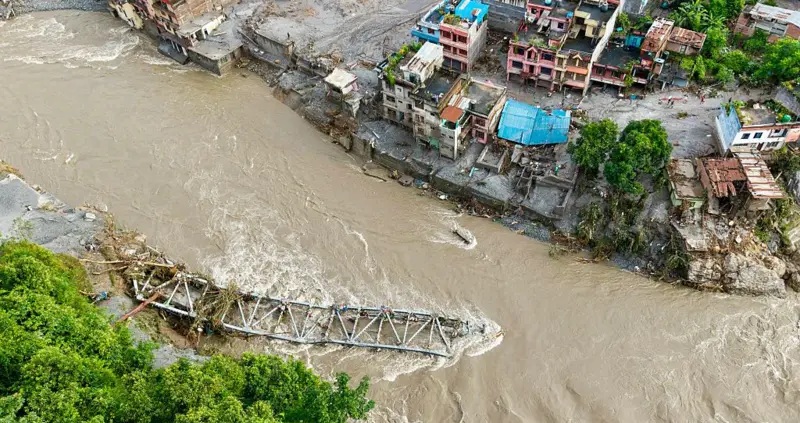
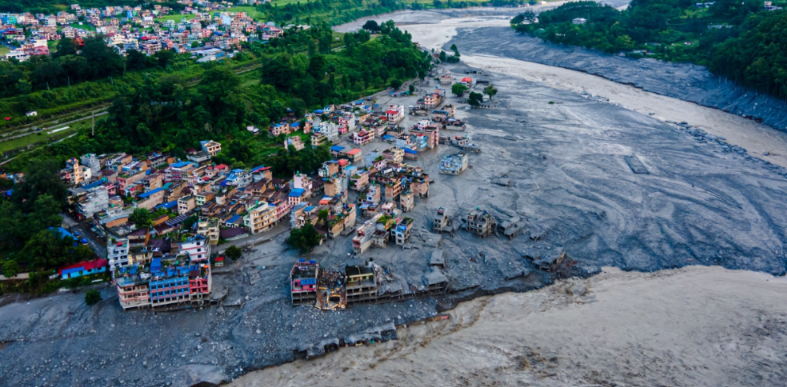
Large financial resources have been mobilized in the field of green jobs and renewable energy for sustainable economic growth in Nepal. The Green Climate Fund (GCF) has approved a grant of 36.1 million US dollars (approximately Rs 4.80 billion) for the reduction of glacial lake outburst risk and water-induced disaster management in the Himalayan region. The $50 million project will provide security to more than 2.2 million people.
Under the Renewable Energy Promotion Program, a digital tariff payment system has been connected to small hydropower projects in remote areas. It has increased financial transparency and provided employment and financial literacy to rural women. The green circular economy has created 1,200 green jobs through waste management, recycling and renewable energy.
A total of 48,000 US dollars has been generated by collecting plastic waste in Dhangadhi sub-metropolis through public-private partnership model.
{{TAG_OPEN_strong_27}Social Security and Financial Inclusion
Socio-Economic Risk Information Management System has been introduced to provide direct financial assistance and relief to the economically poor and vulnerable citizens. This has facilitated the provision of financial assistance by identifying the target groups not only on the basis of income but also on the basis of geographical, gender and social risks.
As the UNDP report shows, Nepal is adopting innovative strategies to combat climate change risks, make insurance and banking accessible to the masses through digital technology, and maintain financial stability.