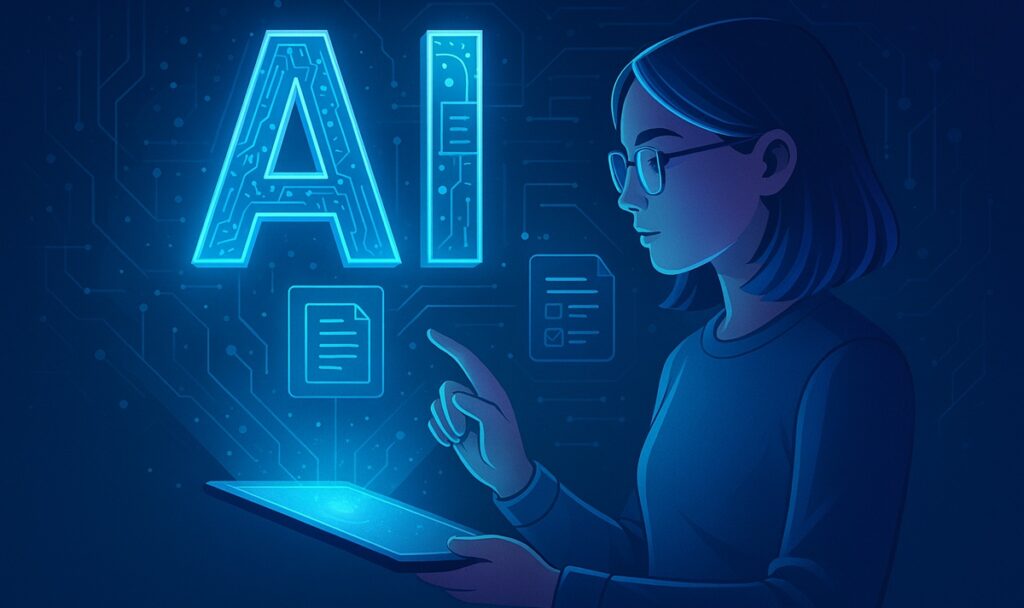




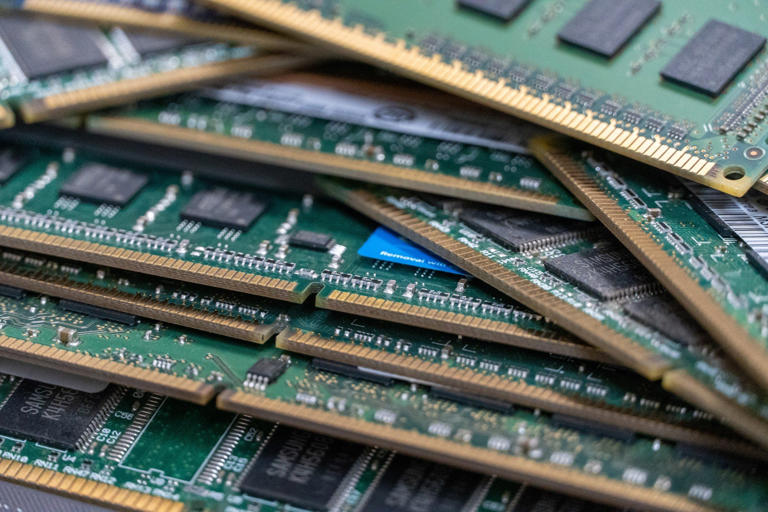

Kathmandu. With the use of artificial intelligence (AI)-based technology, the balance between the demand and supply of memory cards in the global market is disturbed. There is a shortage of memory cards in the global market due to the increase in demand but the supply has not increased.
According to experts, device manufacturers around the world are grappling with memory crises as demand for memory cards for AI-related projects and data centers soars, diverting supplies to large-capacity products, limiting the availability of traditional memory for consumer electronics.



Known as hard disk and RAM (random access memory) among consumers, it is used on computer-based devices such as laptops, desktops or mobiles. It collects data, information, information, photographs, etc., permanently or temporarily. In particular, it works to store data of a temporary nature created by running such devices and make it easier to operate the equipment.
Meanwhile, Lenovo Group, the world’s largest personal computer (PC) maker, has warned of the “long-term impact” of the global memory crisis after reporting a 21% drop in profit for the December quarter. The shift to artificial intelligence-powered tools is expected to drive business growth.
“This structural imbalance between supply and demand for memory chips is not just a short-term fluctuation,” the China Morning Post quoted Chairman and CEO Yang Yuanqing as saying. “
Yang described the increase in memory costs as unprecedented and persistent, after a 40 to 50 percent increase in the previous quarter, adding that the price of dynamic irregular-access memory has doubled in the current quarter.
The sales growth was driven by demand from AI-related businesses. It spanned from PC and server infrastructure to software. This segment grew by 72 percent to account for nearly one-third of Lenovo’s overall revenue in the quarter.
High component costs can limit consumer demand for PCs and smartphones. Market changes in AI-powered devices are expected to drive new demand.