



Kathmandu. Globally, regulatory bodies have been practicing special and proportional regulation to expand the access of insurance to marginalized, low-income and marginalized communities. In this context, the Consulting Group to Assist the Poor (CGAP), an international organization advocating for inclusive insurance, has emphasized the use of the term ‘inclusive insurance’ instead of ‘microinsurance’.
CGAP, which emphasizes on the presence and promotion of specialized insurers in developing and developing countries for inclusive insurance, has been advocating that the presence of autonomous micro insurers will contribute positively to inclusive insurance access. In this article, we have tried to compare the global experience of CGAP with the state of microinsurance business in Nepal.


The main concept of inclusive insurance is to develop insurance solutions (plans) suitable for the disadvantaged, underprivileged and financially inaccessible or marginalized sections of the society and to create an environment that covers them in the insurance cover. The concept of inclusive insurance emphasizes on expanding the insurance cover for the poor and marginalized sections through group insurance, subsidized insurance, affordable insurance with specialised risk coverage and access to insurance facilities.
Even in developing countries like Nepal, the importance of inclusive insurance has increased rapidly. Based on the recently published reports “Micro Insurance Regulation in Nepal: Increasing Access and Impact” (2026 January) and “Study and Analysis of Nepal’s Micro Insurance Business” (2026 July), a comparative analysis between international practice, experience and Nepali reality is as follows:
1. Concept and requirement of autonomous license:
}
Over the past two decades, more than 30 countries in the world (especially in sub-Saharan Africa and Asia) have been introducing the concept of autonomous micro-insurance licensing. The main objective is to introduce microfinance institutions, cooperatives, community insurance institutions or specialized firms into the market with less capital and on suitable terms.
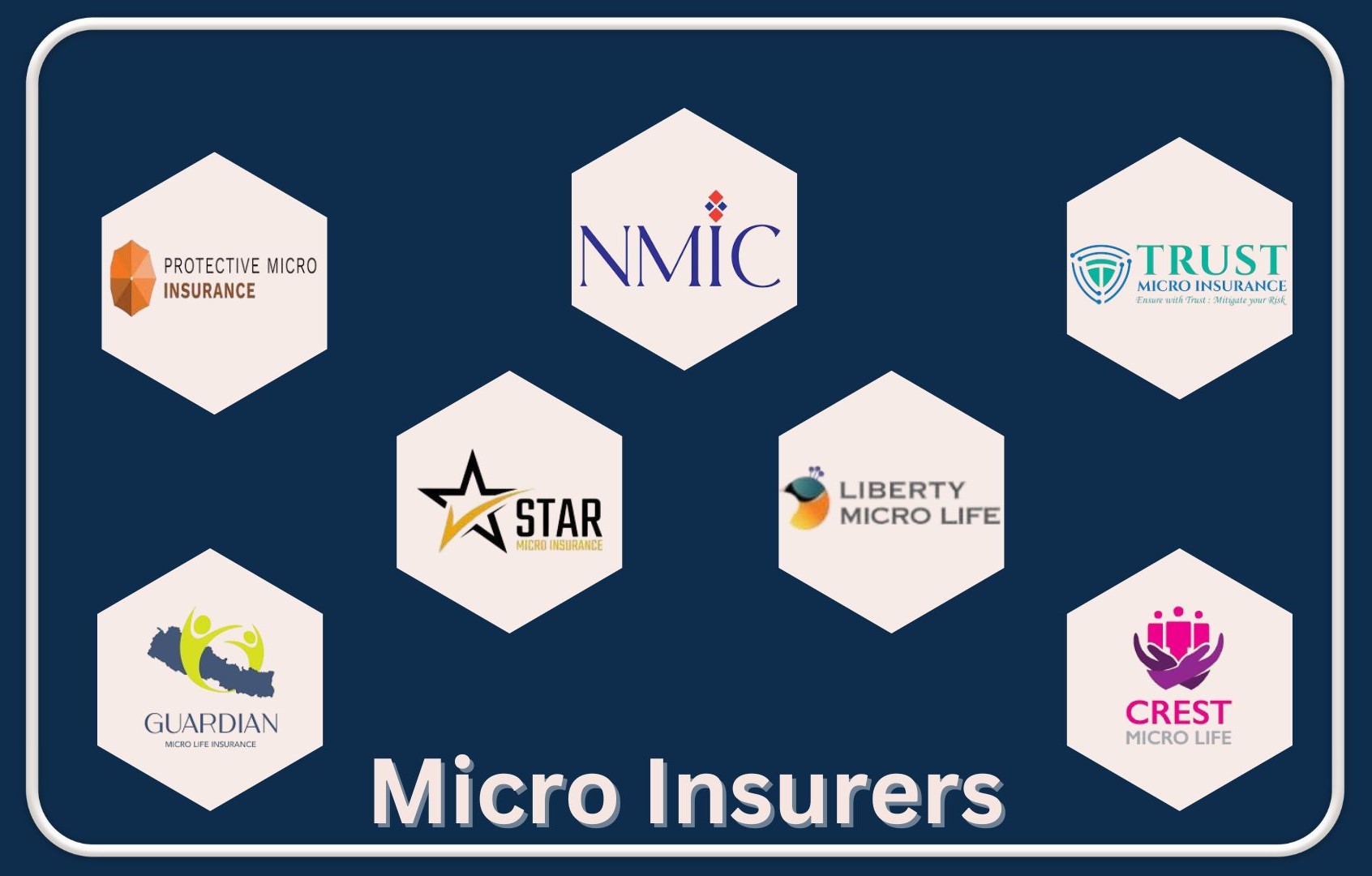
Based on the Insurance Act, 2079 in Nepal, the Insurance Authority has issued a micro insurance directive and granted licenses to separate micro insurance companies. At present, there are 7 autonomous micro insurance companies operating in Nepal. The reports of the Authority have clearly outlined the role of these autonomous insurers in widening the scope of insurance to the marginalized and low-income communities in Nepal.
2. The challenge of proportionality and consumer protection
}
The main problem with autonomous licensing is the limitation of proportionality. If the rules and minimum capital requirements are made too stringent, small insurers will not be able to survive, if too loosely, there will be risks to solvency ratios and consumer protection.
In the context of Nepal too, provisions including a minimum paid-up capital of Rs 75 crore and a maximum claim limit under a single insurance policy have been strictly enforced for autonomous micro insurance companies. The reports of the Authority have studied in depth the balance between regulatory compliance and their financial stability in the market.
3. Market attractiveness and business sustainability
The Micro Insurance Mutual Benefits Association of the Philippines has achieved great success by involving about 300 million low-income people through community engagement and microfinance institutions. But in many countries, even with the licensing of autonomous insurers, there are challenges to market attractiveness and business sustainability.
Micro insurance companies in Nepal are expanding their business through various schemes of agriculture, livestock, motor, and short life insurance. Most of the insurance is focused on motor and foreign employment term insurance. The ‘Study and Analysis of Nepal’s Micro Insurance Business (2026)’ report highlights the profit and sustainability challenges faced by micro insurers amidst administrative expenses, small market range, and geographical difficulties. The fact that such companies have to depend on returns from self-capital investment at an early stage is also reflected in various financial and credit rating reports. The issue of financial sustainability of micro insurers is challenging as they have to incur underwriting losses.
Conclusion
The study report of the Insurance Authority clearly states that the micro insurers have deprived themselves of the main objective. The micro insurance business cannot achieve stability due to the quota of foreign employment, temporary insurance and compulsory motor insurance provided by the Authority.
Due to the narrow market of micro insurance in Nepal, it is very difficult for the micro insurers with low capital to compete with the significant capital, experience, and skilled manpower of the traditional 14 life insurers and 14 non-life insurers on the basis of limited resources. Apart from this, the authority has not been able to distinguish the boundaries between micro insurers and traditional insurers in the policy. Since all the services provided by the micro insurer are provided by the traditional insurer, the micro insurer has to invest very hard to make its presence felt in the same market.
Both the international and Nepali experience makes it clear that autonomous micro insurance licenses are not a miracle solution. As the reports of the Nepal Insurance Authority have pointed out, even as the scope of micro insurance in Nepal has expanded, alternative distribution channels, the use of digital technology, and collaboration with local organizations are essential to make it more effective. The real benefits of inclusive insurance can reach the marginalized only if the regulatory bodies make policy adjustments based on market feedback and data.